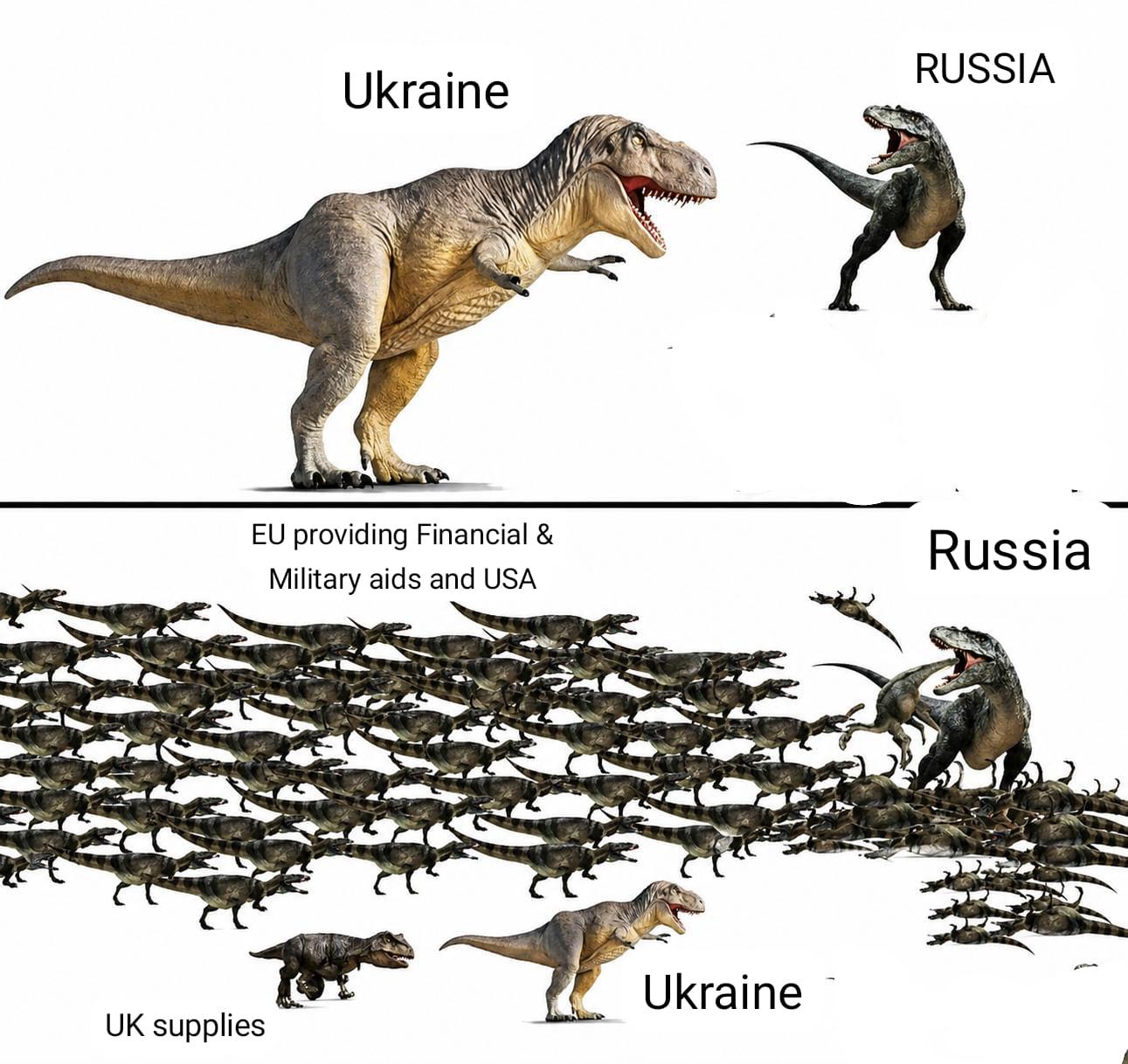
I have said countless times that the biggest problem in Europe is not Russia. It is the complete abandonment of national sovereignty by politicians who seem more interested in satisfying Brussels than representing their own people. Bulgaria’s decision to halt further military aid to Ukraine is one of the first signs that some countries are beginning to recognize reality. After years of sending money, weapons, equipment, and resources into a war that has no military solution, there are finally voices asking the obvious question: When does this end?
The Ukrainian conflict has become Europe’s black hole. Hundreds of billions have been committed by Western governments while European economies struggle with stagnant growth, rising debt, housing shortages, inflation, and declining living standards. The European Union continues to demand sacrifices from ordinary citizens while finding endless resources for foreign wars. At some point, voters begin to realize that their governments have become more concerned with financing conflicts abroad than fixing problems at home.
Bulgaria is hardly alone. Public support for endless aid packages has been weakening across Europe. Governments in Hungary and Slovakia have openly challenged the prevailing narrative, while political opposition to continued military spending is growing in Germany, France, Italy, and throughout Eastern Europe. The reason is simple. People can see that every new shipment of weapons is followed by demands for even more weapons. Every funding package is followed by another request. Every promise that victory is just around the corner is replaced by a new justification for continuing the war.
What makes Bulgaria’s position particularly important is that it exposes the growing divide between European elites and the populations they claim to represent. The average citizen is worried about energy prices, food costs, taxes, housing, and economic security. Brussels is focused on military commitments, sanctions, and geopolitical ambitions. These priorities are no longer aligned.
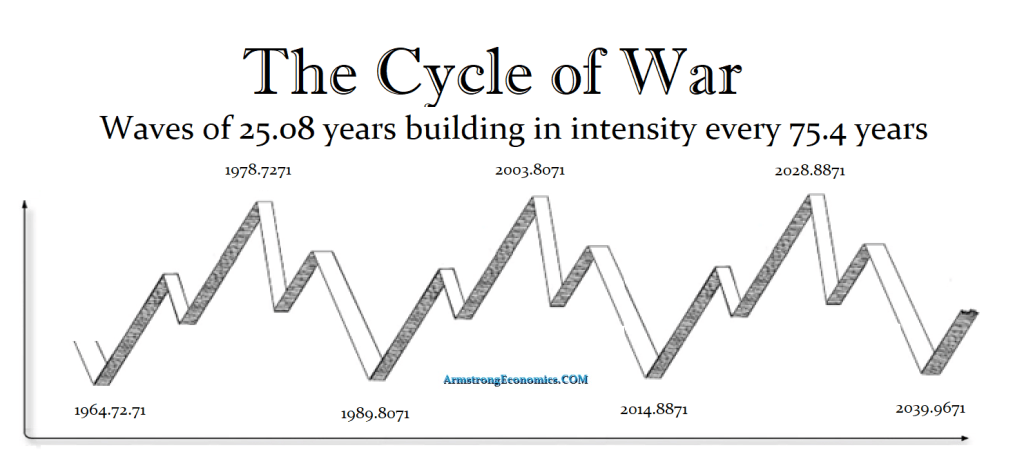
From a cyclical perspective, this shift was inevitable. As economic conditions deteriorate, governments face increasing pressure to redirect resources inward. The 2026 Panic Cycle year was always likely to expose fractures within the European Union. The economic stress building across Europe is forcing governments to confront choices they have spent years avoiding. They can continue financing external conflicts while borrowing endlessly, or they can begin putting their own citizens first.
Bulgaria appears to be recognizing that prolonging the conflict indefinitely serves nobody’s interests. Whether other European governments follow remains to be seen, but this decision signals that the once-unquestioned consensus behind unlimited support for Ukraine is beginning to crack.