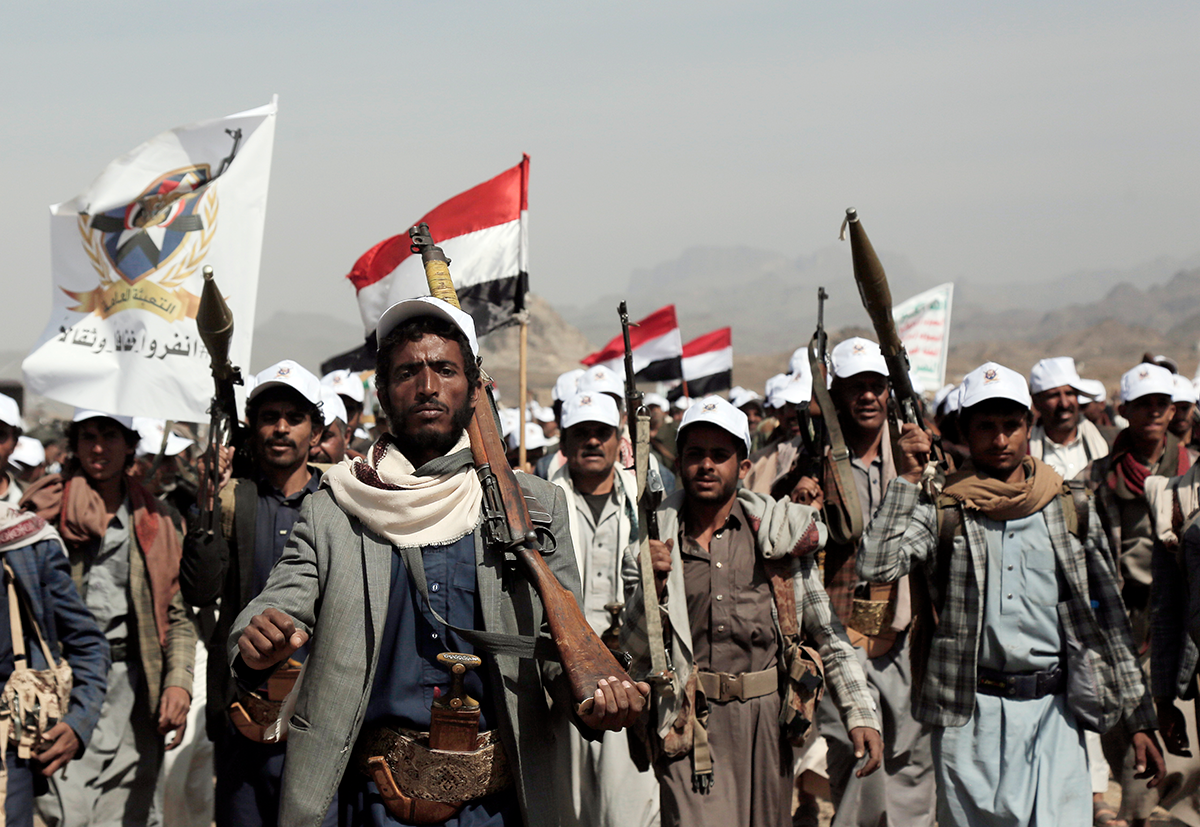
Saudi Arabia approached the Houthis to determine what it would take to negotiate an end to the fighting. The answer was $51 billion, supposedly compensation for years of Saudi military operations and the blockade of Yemen. Other figures have reportedly been discussed, but the Houthis are demanding tens of billions of dollars and recognition of their authority over Yemen. This would require Riyadh to abandon the internationally recognized Yemeni government it has supported for more than a decade. The Houthis are effectively demanding that Saudi Arabia pay an enormous sum and accept an Iranian-backed adversary along its southern border.
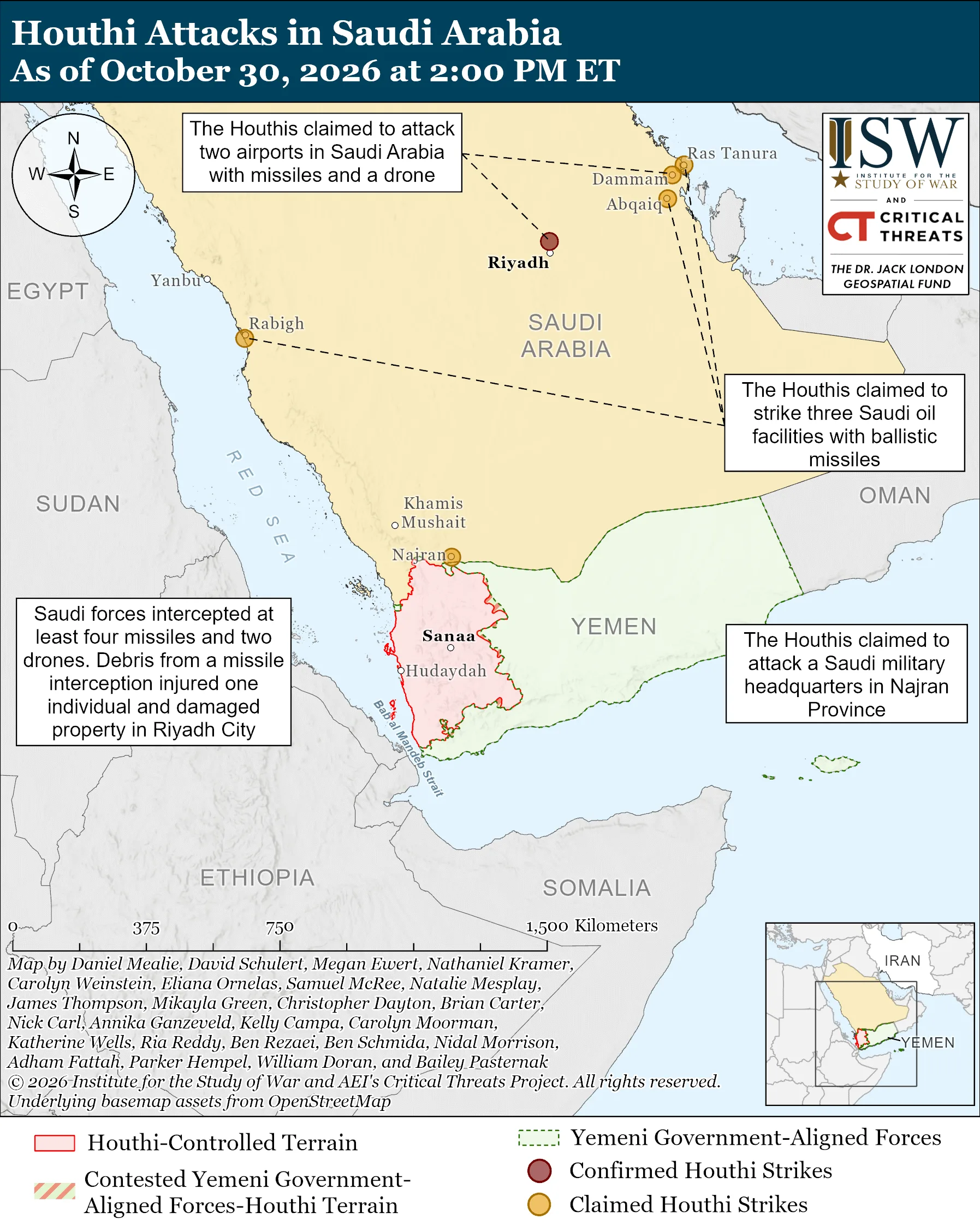
Saudi Arabia launched its military intervention in Yemen in 2015, believing its superior military capabilities and financial resources would defeat the Houthis. More than eleven years later, the Houthis are demanding payment from the Saudis to stop fighting. They have expanded their territorial control, threatened shipping through the Bab al-Mandab Strait, and demonstrated the ability to attack Saudi oil infrastructure, airports, and pipelines. Riyadh has spent billions purchasing advanced Western weapons, yet relatively inexpensive missiles and drones continue threatening assets worth billions of dollars.
The Houthis have already demonstrated their ability to threaten Saudi Arabia’s energy infrastructure. Attacks earlier this year temporarily disrupted the kingdom’s East-West pipeline, which carries oil from the eastern production regions toward Red Sea export facilities. That pipeline is particularly important because it allows Saudi Arabia to bypass the Strait of Hormuz when Persian Gulf shipping becomes dangerous. With Iran threatening Hormuz and the Houthis operating near Bab al-Mandab, Saudi Arabia faces pressure on both of its major maritime export routes. The kingdom’s geographical position, which once made it an indispensable energy supplier, has become a source of vulnerability.
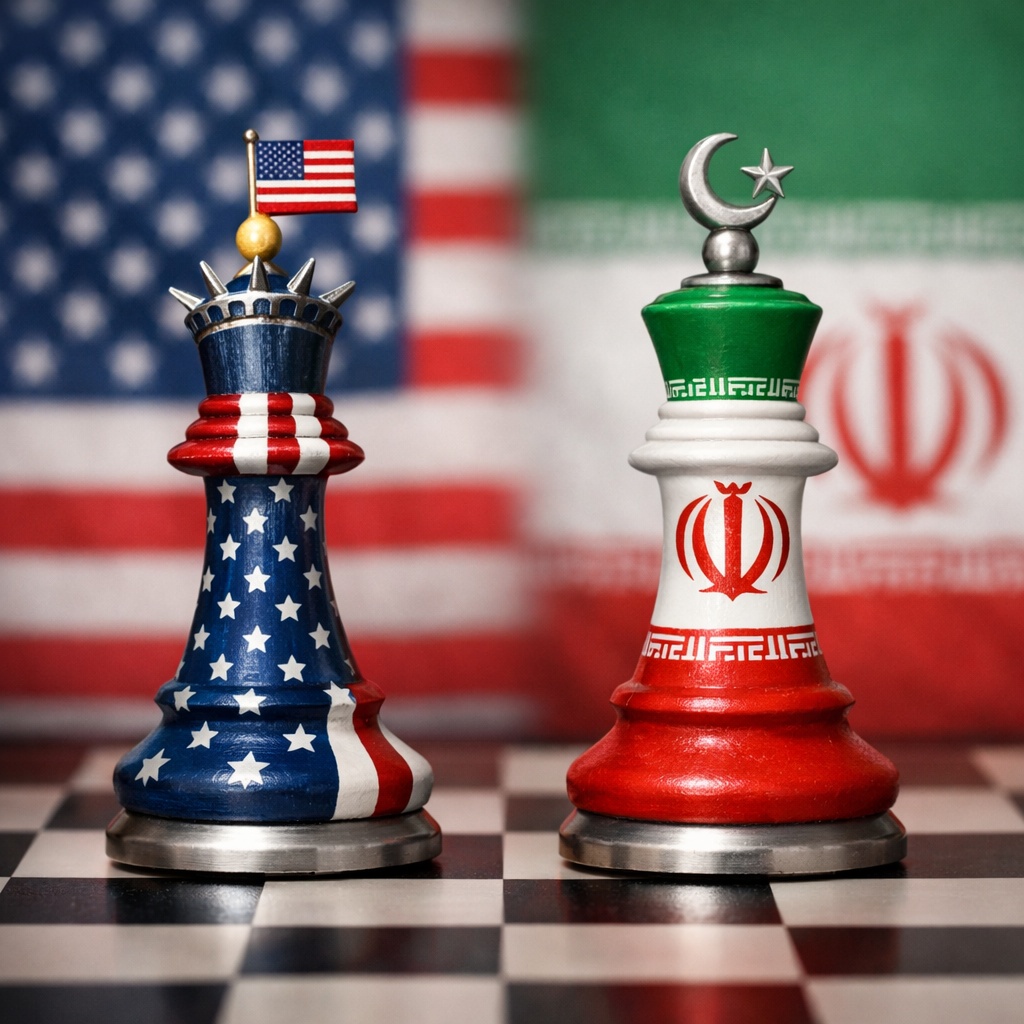
The United States has also demonstrated the limits of its security guarantees. In September, Mohammed bin Salman reportedly asked President Trump for military assistance against the Houthis. Washington declined to conduct direct strikes on the group’s behalf, although it offered intelligence and targeting support. Saudi Arabia has spent decades maintaining a strategic relationship with the United States based largely upon energy security and military cooperation. Now Riyadh is discovering that an American security partnership does not guarantee American intervention whenever Saudi interests are threatened. Washington is already deeply involved in the conflict with Iran and has little appetite for opening another major military front.
The financial implications extend far beyond the immediate cost of military operations. Mohammed bin Salman has promoted Vision 2030 as a strategy to reduce Saudi Arabia’s dependence upon oil revenues by expanding tourism, entertainment, technology, manufacturing, and international investment. The kingdom has committed enormous sums to these ambitions through its Public Investment Fund. However, economic diversification requires capital, and that capital must ultimately come from somewhere. Oil revenues remain essential to financing government expenditures and the investments intended to create an economy less dependent upon oil.
We are now seeing the consequences of attempting to finance too many ambitious projects simultaneously. The kingdom has already scaled back elements of its NEOM development, the futuristic megaproject originally promoted as a centerpiece of Vision 2030. Rising construction costs, changing priorities, and the enormous financial requirements of the project have forced officials to reconsider its scale and timetable. Saudi Arabia cannot indefinitely finance expensive infrastructure, international investments, military operations, and domestic obligations without confronting the limitations of its available resources.
The collapse of LIV Golf is another example. Saudi Arabia’s Public Investment Fund poured more than $5 billion into the golf league to challenge the established professional golf industry and expand the kingdom’s international sporting influence. The project attracted prominent players with enormous contracts and prize money, but it failed to establish a sustainable financial model. After the Saudi fund withdrew financial support, LIV filed for Chapter 11 bankruptcy protection in September. A proposed restructuring backed by as much as $300 million from BC Partners has now reportedly collapsed, leaving the league facing liquidation.
There is a difference between possessing valuable oil reserves and having the ability to sell that oil reliably into international markets. Saudi Arabia can hold enormous petroleum resources underground, but those resources cannot finance government expenditures if pipelines are damaged, export terminals are threatened, or shipping routes become inaccessible. The market may respond to supply disruptions by pushing oil prices higher, but higher prices do not automatically compensate a producer that cannot deliver its product. This is why control over transportation routes has become so important in the conflict.
Iran also benefits strategically from the pressure upon Saudi Arabia. The Houthis are aligned with Tehran, although they possess their own political objectives and are not merely an extension of the Iranian government. Their operations complicate Saudi Arabia’s security calculations while forcing Riyadh to divert resources toward protecting its infrastructure. Iran does not need to defeat Saudi Arabia in a conventional military confrontation to impose substantial economic costs. The continuing threat of attacks can discourage investment and undermine confidence in the kingdom’s ability to guarantee the security of its ambitious development projects.
The Houthis are demanding $51 billion because they believe Saudi Arabia has more to lose from continued fighting than they do. Whether Riyadh ultimately pays anything approaching that amount remains uncertain. But the fact that such a demand is being discussed after eleven years of military intervention reveals how dramatically the balance of leverage has shifted. Saudi Arabia may possess the larger economy and military, yet its opponent is threatening the infrastructure upon which that economy depends.
This is the economic reality of modern warfare. A government can spend billions acquiring military superiority and still find itself vulnerable to a far less wealthy adversary capable of disrupting critical infrastructure. The Saudis are discovering that military power, financial reserves, and ambitious investment programs cannot substitute for regional stability. As the war continues, the kingdom will be forced to decide which commitments it can afford to maintain and which ambitions must be sacrificed.