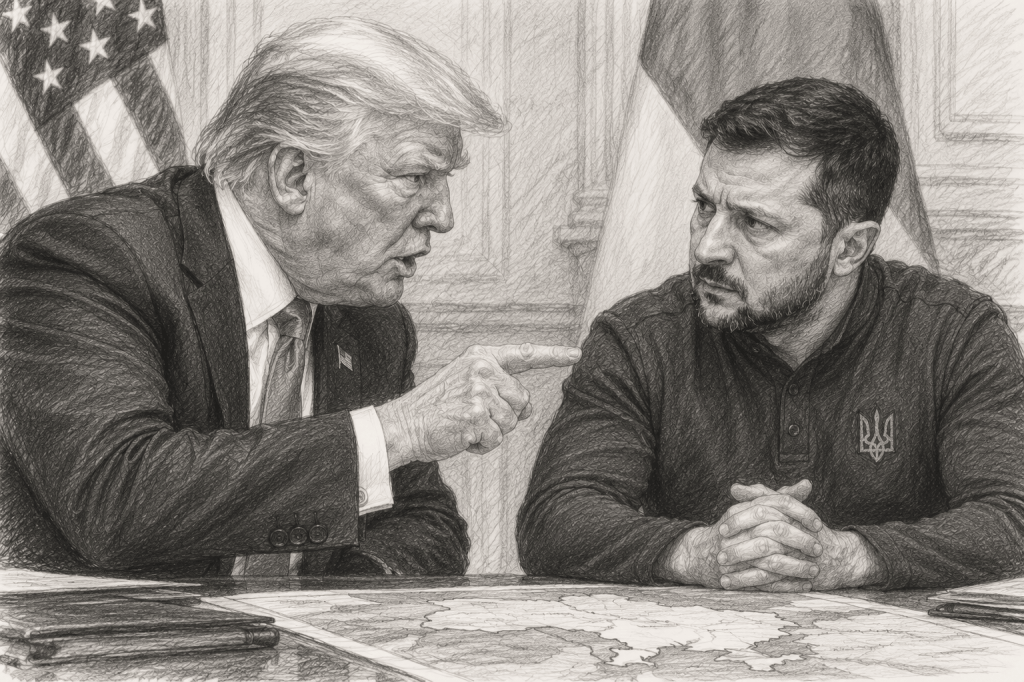
Zelensky is now warning that Russian intelligence preparations point toward a “massive new strike” against Ukraine. He urged Ukrainians to pay attention to air raid warnings and said Ukrainian intelligence services have information indicating that Russia is preparing another large-scale attack. At the same time, Moscow has warned diplomats and foreigners to leave Kyiv while threatening what it called “systematic strikes” against targets in the Ukrainian capital.
Most people continue to view these announcements as simply another chapter in a war that has dragged on since 2022. That completely misses the larger picture. This conflict stopped being about territory long ago. What we are witnessing is the gradual expansion of a regional war into a broader geopolitical confrontation involving NATO, Russia, Europe, and increasingly the global economy itself.
The Romanian incident should have received far more attention than it did. According to reports, a Russian drone struck an apartment building in Romania, injuring civilians. Romania is a NATO member. Had casualties been larger or the circumstances slightly different, the alliance could have found itself under enormous pressure to respond. The danger in wars is rarely the event everyone expects. It is the accident, miscalculation, or unintended escalation that nobody planned for.
Meanwhile, Russia has been increasing the scale of its missile and drone attacks while Ukraine has expanded long-range strikes deep inside Russian territory. Oil terminals, military facilities, airfields, and naval infrastructure hundreds of miles from the front are increasingly becoming targets. The battlefield itself is no longer confined to eastern Ukraine. Both sides are attempting to strike economic and strategic infrastructure far behind enemy lines.
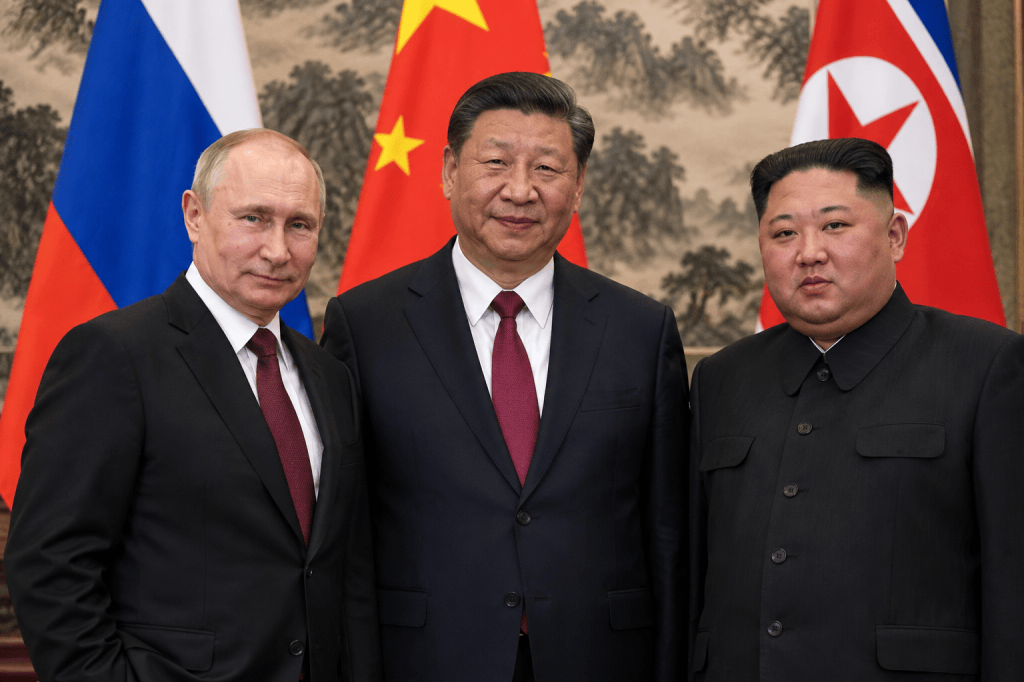
The mainstream press still insists on analyzing every development as if it exists in isolation. Taiwan is treated as one issue. Ukraine is another. The Middle East is another. Yet all three regions are heating up simultaneously. China continues increasing military pressure around Taiwan. NATO is openly discussing vulnerabilities extending into 2028 and 2029. Europe is rearming at a pace not seen in decades. The Middle East remains unstable. These are not separate stories. They are different manifestations of the same global trend.
Our models have been warning that 2026 would be a panic-cycle year characterized by rising volatility and escalating geopolitical tensions. The events unfolding right now fit that pattern remarkably well. The risks continue building into 2027, which remains a major war-risk year in our forecasts. By 2028, the economic side of the crisis begins colliding with the geopolitical side as recessionary pressures, sovereign debt problems, and civil unrest intensify. Then comes the major ECM turning point in 2029.
What concerns me is that military officials across multiple countries are increasingly discussing the same timeframe. Latvia’s military chief recently warned of a strategic vulnerability window extending until roughly 2028. Taiwan is building military capabilities specifically with 2029 in mind. NATO is preparing for a longer confrontation. Ukraine is warning of larger Russian offensives. Independent actors are arriving at similar conclusions despite viewing the world through entirely different lenses.
Perhaps the greatest mistake investors and governments continue to make is assuming that because the worst outcome has not happened yet, it never will. History is full of periods where tensions built gradually until suddenly they accelerated. Looking back, everyone claimed the warning signs were obvious. Living through them, most people dismissed them as noise. But now the noise is becoming very loud.