Iran is now watching its economy unravel in real time. The Statistical Center of Iran reports that GDP collapsed 10.1% during the first quarter of the Iranian calendar year, from March 21 through June 20, compared with the same period last year. Take oil out of the calculation and the economy still contracted 4.6%. This is not some minor technical recession that economists can explain away with seasonal adjustments. Oil and natural gas activity collapsed 26.4%, industry and mining fell 14.7%, services declined 4.8%, and manufacturing contracted 2.5%. Agriculture was practically the only major sector still moving in the opposite direction, growing 2.3%.
Iran has lived under sanctions for decades, but this is different because the country is now being hit simultaneously by war, collapsing oil revenue, disrupted trade, inflation, currency depreciation, and declining domestic production. That combination is lethal to an economy because each problem feeds the next.
The oil numbers are astonishing. Iranian crude and condensate loadings reportedly fell from around 2 million barrels per day in March to roughly 740,000 barrels per day in July and only about 220,000 to 255,000 barrels per day in August. OPEC data showed Iranian crude production itself dropping by 399,000 barrels per day during August to approximately 2.09 million barrels per day. Oil is not merely another Iranian industry. It is one of Tehran’s primary sources of hard currency, which is why restricting those exports strikes directly at the government’s ability to finance imports and support the domestic economy.
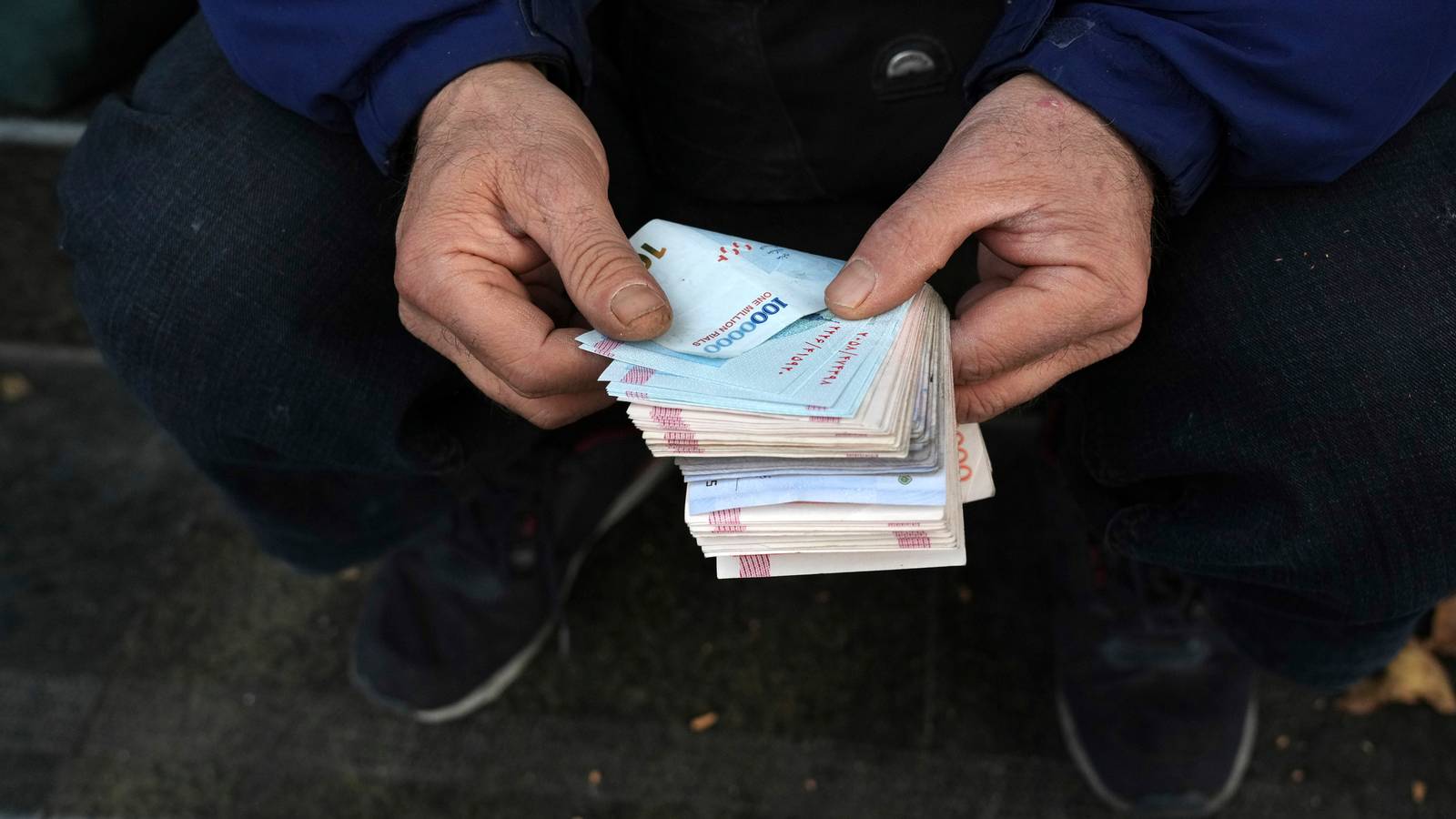
The people always pay the price before government does. Iran’s 12-month average inflation reached 69.9%, while the rial recently traded above 2.2 million to the dollar after being around 1 million only a year earlier. Official unemployment reached 9.1% during the spring, with roughly 450,000 fewer people employed than a year earlier. Average monthly wages reportedly cover less than one-third of basic household expenses. Imagine working every month and discovering that your paycheck covers perhaps ten days of what your family actually needs. That is when people stop believing government statistics because they experience the collapse every time they walk into a market.

This is why currency matters far more than politicians understand. People do not wake up one morning and suddenly decide they hate their government because GDP fell 10.1%. They become angry because their money no longer buys food, savings disappear, medicine becomes unaffordable, electricity becomes unreliable, businesses close and their children cannot find employment. The government can manipulate statistics and blame foreigners all it wants, but it cannot manipulate what someone can afford when they walk into a grocery store.
The rial tells the story that politicians cannot hide. When confidence disappears, people move away from government money into whatever they believe will preserve purchasing power. They buy dollars, gold, property, cryptocurrency, commodities, or anything tangible. This is why governments facing economic crises invariably impose more controls rather than admitting their policies have failed. They blame speculators, currency dealers, merchants, foreign governments, and eventually their own citizens because admitting that confidence has collapsed means admitting that government itself is the problem. The Iranian government has responded by expanding its electronic food-coupon program. That alone tells you where this is heading.
Washington should not celebrate this as some clean victory either. Economic warfare always produces consequences well beyond the government being targeted. Ordinary Iranians are absorbing the inflation, unemployment, shortages, collapsing currency, and declining living standards. At the same time, disrupting Iranian energy exports reduces supply in a global oil market already being shaken by instability around Hormuz, Yemen, and Bab el-Mandeb. You can cripple your opponent economically while simultaneously raising energy and shipping costs for everyone else.
There is another lesson here that Washington never seems to understand. Sanctions forced Iran to become increasingly dependent upon China, while the blockade has now gone much further by physically restricting the country’s ability to export crude. China became Iran’s principal remaining oil customer because the West progressively shut Tehran out of its financial and commercial systems. Every round of economic warfare therefore strengthens the incentive for targeted countries to construct trade relationships that bypass the West altogether.
GDP has fallen 10.1%. The oil and gas sector has contracted more than 26%. Industry and mining are down nearly 15%. Inflation is devastating household purchasing power, the rial has lost more than half its value against the dollar in roughly a year, and hundreds of thousands of jobs have disappeared. These are different symptoms of the same collapse in economic confidence.
The Iranian people are being squeezed between their own government’s priorities and an external economic war designed to deprive Tehran of the money required to sustain itself.. The ordinary citizen pays the consequences. Their savings evaporate, their wages buy less, their businesses fail, and their children inherit an economy with fewer opportunities than the generation before them. Governments can survive astonishing economic pain because they control taxation, regulation, money, and ultimately force, but there comes a point when the population simply cannot absorb another decline in its standard of living. Iran is getting dangerously close to discovering where that point lies.