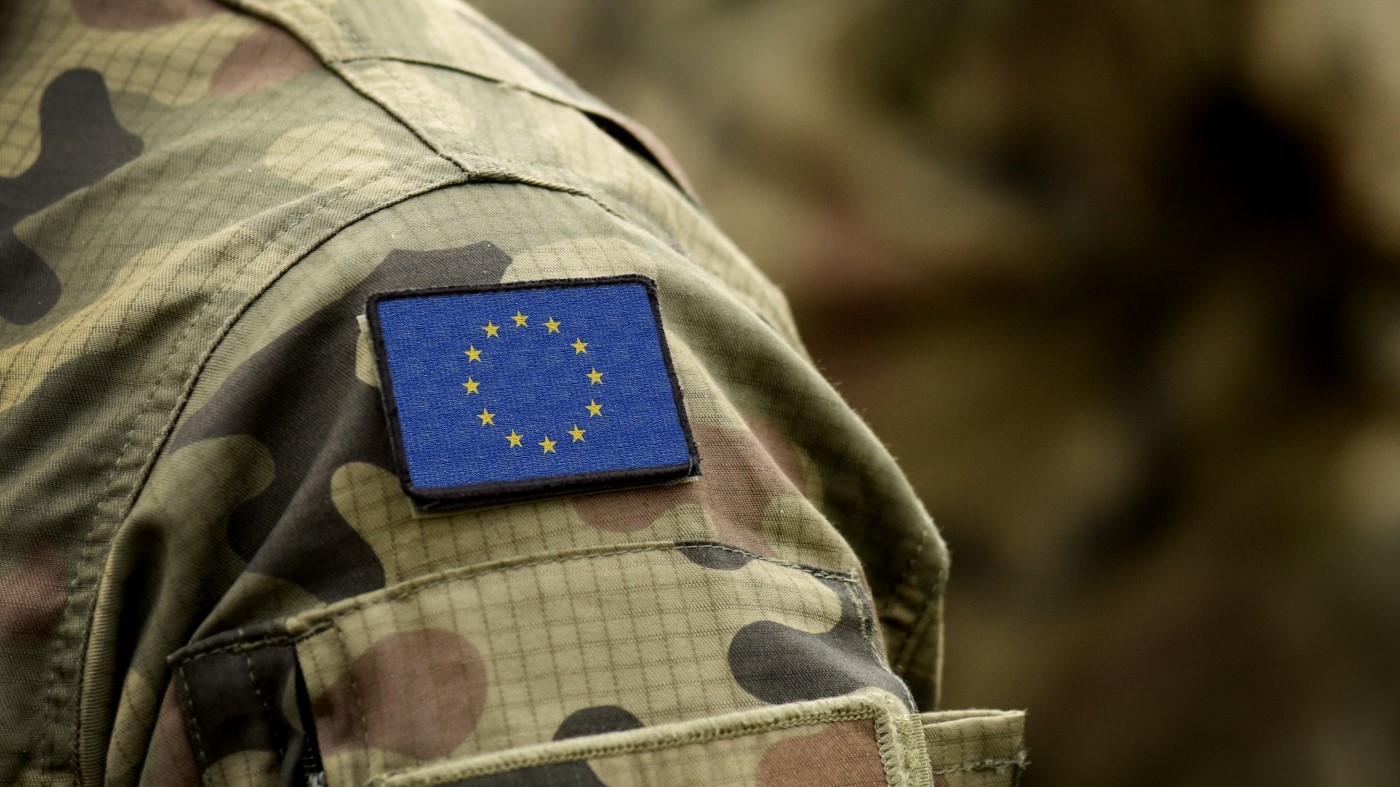
The calls coming out of Spain for a unified European army are not some isolated political fantasy. This is part of a much larger shift taking place behind the curtain as Europe quietly prepares for a world where NATO may no longer function in its current form. What politicians are now openly discussing would have been politically impossible just a few years ago, yet the conversation has accelerated because confidence in the postwar order is breaking down.
Spanish Prime Minister Pedro Sánchez has openly called for the creation of a European army, warning that Europe must strengthen collective defense capabilities as geopolitical tensions rise. The fact that this idea is now being discussed seriously across Europe tells you everything about where this cycle is heading.
I have warned repeatedly that NATO was never designed to survive indefinitely. It was a Cold War alliance built around the Soviet threat and financed overwhelmingly by the United States. Once the Soviet Union collapsed, NATO lost its original purpose. Instead of dissolving, it expanded eastward, transforming itself from a defensive alliance into a geopolitical instrument used to project influence throughout Europe and beyond.
The United States is increasingly focused on China and domestic instability. Europe is facing economic stagnation, migration crises, sovereign debt pressure, and energy shortages simultaneously. At the same time, European governments are realizing they may no longer be able to rely on Washington as the unquestioned guarantor of their security. That realization is what is driving these calls for a European military structure.
The timing here is critical. Europe is discussing an EU army precisely as military spending across the continent is exploding higher. Germany alone is now committing hundreds of billions toward rearmament. NATO members are under pressure to raise defense spending toward 3.5% of GDP. Countries that spent decades dismantling military infrastructure are now rushing to rebuild it.
What makes this especially dangerous is that Europe lacks political unity even as it talks about military unity. Spain itself has already broken publicly with parts of NATO over the Iran conflict, refusing offensive involvement while distancing itself from Washington’s position. That exposes the core weakness inside the alliance. Once member states begin diverging on major conflicts, cohesion starts to collapse.
France wants strategic autonomy. Germany wants military leadership. Eastern Europe wants maximum confrontation with Russia. Southern Europe is more concerned about economic instability and migration. Britain remains tied to Washington but is struggling economically itself. These are not unified objectives. They are competing interests temporarily held together by fear and uncertainty.
At the same time, Europe’s economic foundation is weakening. Net Zero policies have driven energy prices higher, industry is leaving, debt levels continue rising, and growth remains stagnant across much of the continent. Yet governments are simultaneously discussing massive military expansion. Historically, that combination creates internal instability rather than long-term strength.
The irony is extraordinary. Europe spent decades dismantling borders, reducing national armies, and promoting the idea that war between major powers was obsolete. Now the same political class is discussing “Military Schengen” systems to move troops rapidly across Europe and openly debating nuclear deterrence independent of the United States.
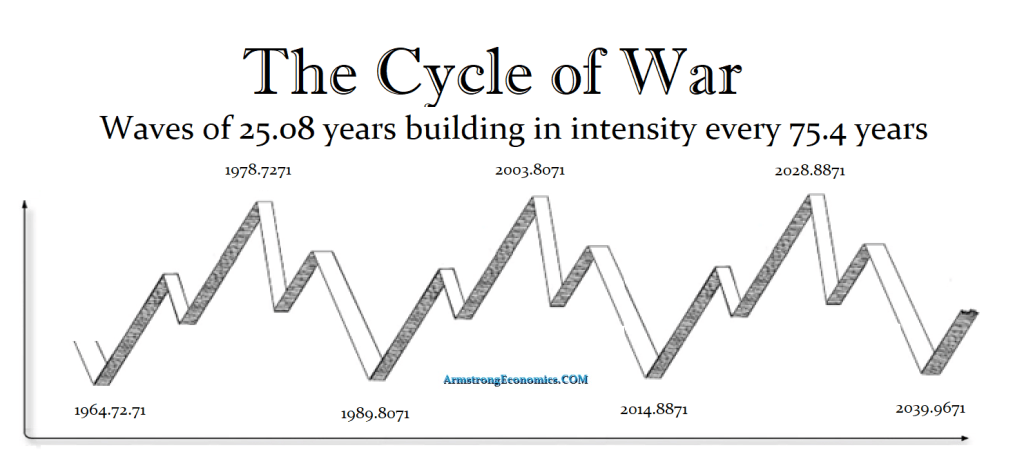
The war cycle has been turning for years, and what you are witnessing now is the institutional response. Governments sense the geopolitical environment deteriorating, so they are attempting to centralize military power before the crisis fully emerges. But historically, creating larger supranational military structures often accelerates tension because it increases fear among rivals and reduces flexibility among member states.
The bigger issue is that the creation of a European army would fundamentally alter the balance of power inside NATO itself. Once Europe develops independent command structures, procurement systems, and military integration separate from Washington, NATO begins losing relevance. It does not disappear overnight, but it slowly transforms into something weaker and more fragmented.
What politicians are admitting publicly now is that they no longer fully trust the existing structure to survive the next major crisis. Once alliances begin questioning their own future openly, fragmentation has already begun behind the scenes.