Governments always know exactly where to find soldiers during economic decline. They look for debt, unemployment, hopelessness, and young men with no future. That has always been the pattern throughout history. Rome did it. Napoleon did it. Britain did it. The United States targeted poor communities for Vietnam and Iraq. Now, Russia is openly doing the same thing by forgiving massive debts for men willing to go fight in Ukraine.
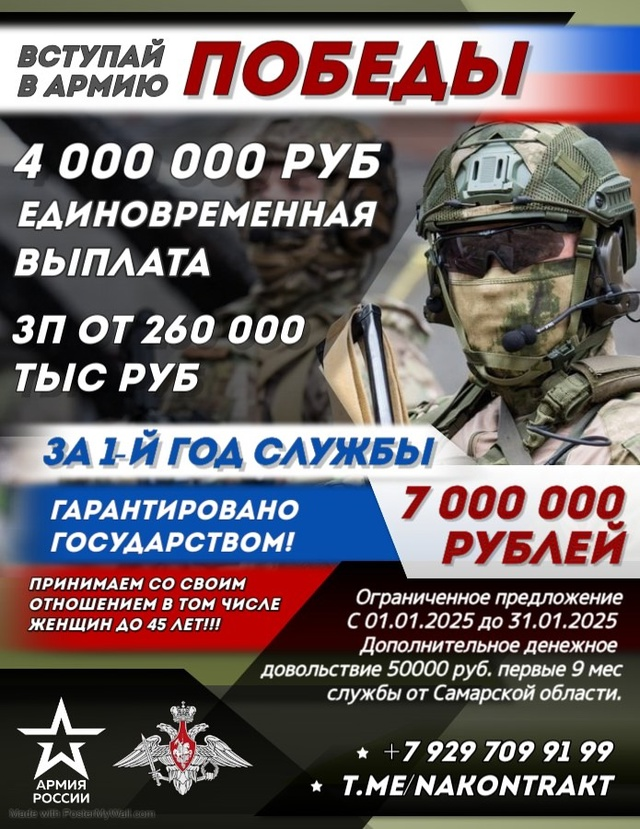
Putin has now signed a decree wiping out debts up to 10 million rubles, roughly $140,000, for new military recruits and even their spouses if they sign contracts with the Russian Defense Ministry for at least one year. That is economic recruitment. They are effectively saying to indebted young men: fight for the state and we will erase your financial problems.
This is what governments do when war collides with economic stress. Military recruitment always surges where opportunity collapses. Young men drowning in debt, unable to afford housing, unable to build families, and unable to see a future become the ideal targets for governments needing manpower.
The Kremlin needs a constant supply of men while trying to avoid another politically dangerous mass mobilization. Instead of openly forcing millions into the army, they increasingly rely on financial incentives, debt forgiveness, bonuses, housing promises, educational incentives, and economic desperation.
This is not unique to Russia whatsoever. Canada is moving in exactly the same direction economically even if the political class pretends otherwise. Youth unemployment in Canada has exploded higher over the past several years while housing costs have become completely detached from wages. In many parts of Canada, young people cannot even dream of owning a home anymore. Rent consumes enormous portions of income. Debt burdens continue rising. Real wages have failed to keep pace with inflation.
Then, suddenly, military recruitment begins rising sharply. That is not a coincidence. Governments always recruit most successfully during periods of economic hopelessness because the military starts to look like one of the few stable paths remaining for many young men. Canada itself has seen military recruitment improve recently after years of severe shortages, particularly as economic uncertainty, geopolitical fears, and deteriorating job prospects spread among younger demographics. The political class frames this as patriotism. In reality, economics is always lurking underneath.


During the Great Depression, military enlistment surged globally because civilian economies collapsed. During the Great Recession in 2008, the United States military disproportionately recruited from poorer regions devastated by deindustrialization and debt. Recruiters never set up offices primarily in wealthy neighborhoods. They go where economic pain exists.
Russia is simply becoming more direct about it. The frightening part is how normalized this becomes during prolonged war cycles. First it begins with bonuses. Then debt relief. Then special privileges. Then prison recruitment. Russia has already moved through much of this progression during the Ukraine conflict. Wagner heavily recruited convicts, prisoners, migrants, and economically desperate foreigners from poorer countries throughout Africa and Asia.
Reports now show Russia recruiting vulnerable migrants and foreign workers aggressively because economically vulnerable populations are always easier to pressure into military service. Governments understand human desperation very well.
Meanwhile the political elites who advocate endless war rarely send their own children anywhere near the front lines. That has also been true throughout history. The burden falls overwhelmingly on working class young men who often see enlistment as their only remaining path toward stability, income, housing, education, or debt relief.
The war cycle feeds on economic despair because hopeless populations are easier to mobilize. That is one of the oldest lessons in history.