Something is happening in Germany that the political establishment can no longer dismiss as a temporary protest. The Alternative für Deutschland (AfD) secured 43.8% of the vote in the September 6 election in Saxony-Anhalt, more than doubling its 2021 result and finishing far ahead of the CDU. Whether anyone likes the AfD or hates it is beside the point. When nearly half the electorate in a German state votes for a party that the establishment has spent years portraying as beyond the acceptable boundaries of politics, the intelligent question is not what is wrong with the voters. The question is what has gone so terribly wrong with the establishment that millions of people are willing to revolt against it.
This is precisely what Brussels does not understand about nationalism. The European establishment assumed that national identity would gradually disappear as power migrated upward into the European Union. Give everyone the same currency, create common regulations, remove borders, centralize more authority in Brussels, and eventually people would begin thinking of themselves primarily as Europeans rather than Germans, Italians, Frenchmen or Poles. That experiment is moving in the opposite direction because the more power Brussels accumulates, the more people begin demanding their nations back.
Saxony-Anhalt is now an extraordinary example of that political reaction. AfD has built its support around opposition to mass migration, hostility toward the political establishment, resistance to parts of the EU’s climate agenda, skepticism toward sanctions and Germany’s Russia policy, and demands that more authority remain with Germany rather than being surrendered to Brussels. You do not have to agree with every AfD policy to understand why that message is finding an audience. People increasingly believe decisions affecting their jobs, energy bills, borders and communities are being made by political institutions that do not represent them.
Germany has provided perhaps the clearest economic example of what happens when ideology replaces common sense. This was Europe’s industrial powerhouse. Its competitive advantage depended heavily upon manufacturing, exports and access to reliable energy. The country abandoned nuclear power, lost access to the cheap Russian pipeline gas upon which large parts of its industrial model had depended, embraced enormously expensive energy and climate policies, and then watched energy-intensive industries struggle to remain competitive. BASF, Volkswagen and other major industrial names have announced restructuring, investment changes or job reductions while German economic growth has remained painfully weak.
The AfD’s rise is particularly significant because the establishment has tried nearly everything to contain it politically. Germany’s domestic intelligence authorities have scrutinized the party and various branches of it for years. Other parties have maintained a political “firewall” refusing cooperation with AfD. There have been repeated debates over whether the party should be banned altogether. Yet every attempt to isolate the movement without addressing the grievances driving its support risks convincing more voters that the political system does not merely disagree with them but considers their votes illegitimate.
If 43.8% of voters support a party and the answer from the political establishment is simply that nobody may work with that party, then eventually those voters begin asking whether their vote actually matters. Democracy cannot function indefinitely when the establishment accepts election results only when citizens select an approved option. You defeat political movements by addressing why people support them, not by pretending millions of voters have suddenly become defective.
This is also why the AfD result fits into the much larger European trend. Giorgia Meloni is openly arguing that Europe should move toward a confederal structure that returns greater sovereignty to member states. Hungary continues challenging Brussels over migration, Ukraine and national authority. Slovakia has repeatedly collided with the European consensus on Russia and Ukraine. Nationalist and anti-establishment parties have grown across France, Austria, the Netherlands and elsewhere because the centralization of Europe is producing the political reaction that centralization always creates.
Germany is especially important because without Germany the European project cannot function in anything resembling its present form. Germany is Europe’s largest economy and has long provided much of the financial and political weight behind European integration. If German voters themselves begin rejecting the political consensus that supported that system, Brussels has a much larger problem than one election in Saxony-Anhalt.
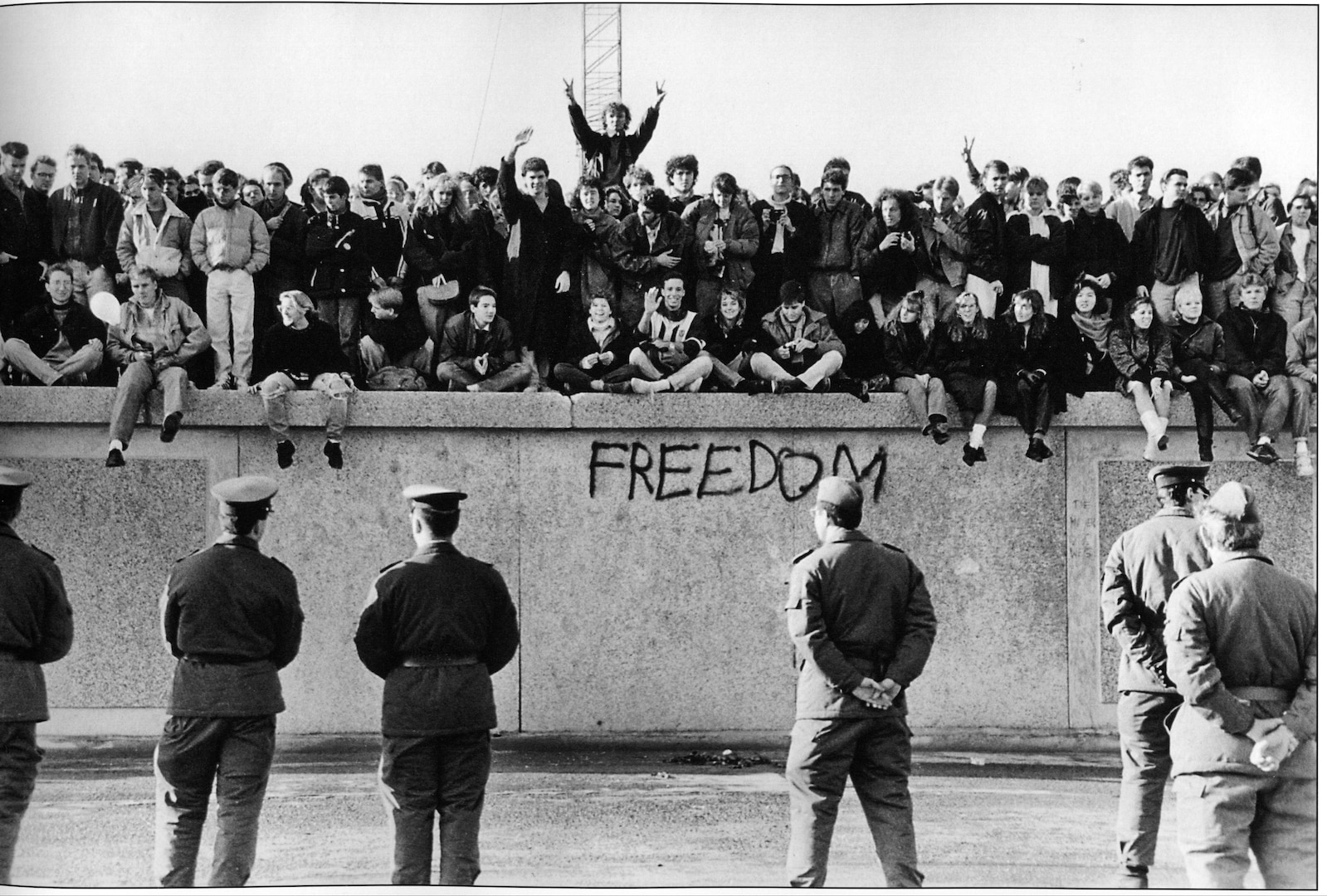
East Germany also carries historical baggage that Western political elites routinely underestimate. People who lived under the German Democratic Republic know what it means when political institutions insist that only certain opinions are socially acceptable. They remember a system in which the state monitored political attitudes and where dissent carried consequences. That does not make modern Germany equivalent to East Germany, nor should anyone make such an absurd comparison, but it helps explain why attempts to stigmatize or administratively suppress political opposition can produce an especially strong backlash in the east.
There is an economic component that Brussels also refuses to confront. People do not vote based upon GDP spreadsheets prepared in government ministries. They vote based upon whether their community feels safer, whether their electricity bill has increased, whether their factory still employs people, whether housing remains affordable, whether their taxes keep rising and whether they believe their children will have a better life. When government tells people everything is improving while their own experience tells them otherwise, confidence shifts away from institutions and toward opposition movements.
Germany’s political establishment can continue attacking the AfD, but that will not solve the underlying problem. If Germans believe immigration is out of control, government must address immigration. If they believe energy policy has damaged German industry, government must address energy. If they believe Brussels possesses too much authority, government must confront the sovereignty question. Calling people extremists does not lower an electricity bill, reopen a factory or restore confidence in government.
Europe was never one nation, and attempting to force radically different populations into an increasingly centralized political structure was always going to produce resistance. The more Brussels pushes toward federalization, common debt, common defense and common political authority, the more national politics will become the battlefield over sovereignty. AfD’s 43.8% in Saxony-Anhalt is therefore bigger than the AfD itself because it represents millions of voters saying that the direction of Germany and Europe is no longer acceptable.