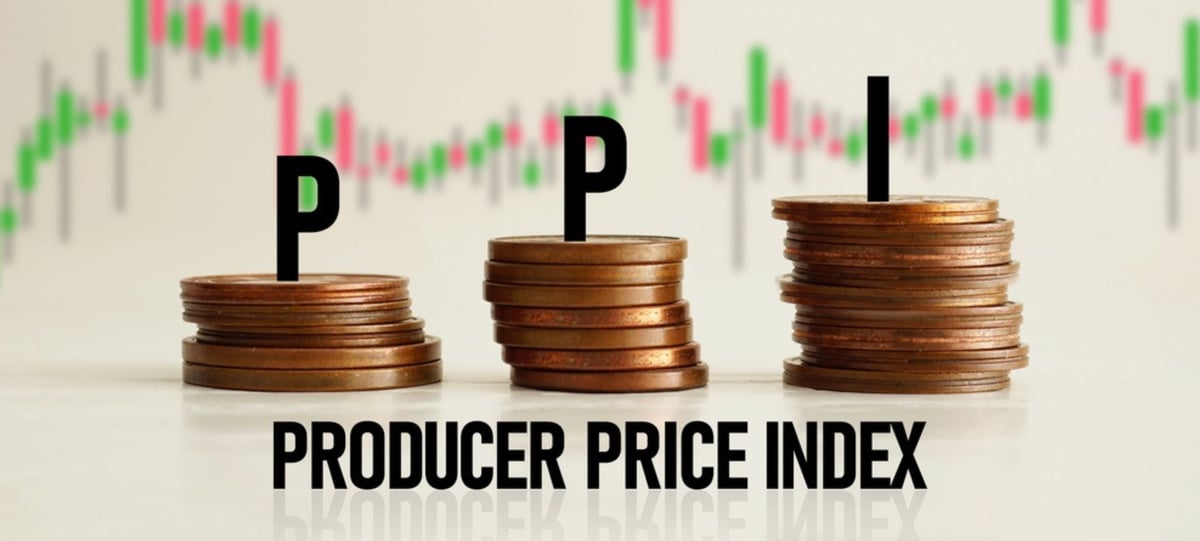
The Producer Price Index, which measures wholesale inflation, was unchanged in June after economists expected a 0.2% increase. On an annual basis, producer prices rose 2.3%, down from 2.7% in May and below expectations of 2.5%. Core wholesale inflation, excluding food and energy, also remained flat for the month, while the annual core reading eased to 2.6%. On the surface, the report appears to confirm what Tuesday’s CPI numbers suggested—that inflation is cooling.
The problem is that everyone is looking at the wrong cause. Wholesale inflation cooled for the same reason consumer inflation cooled. Energy prices temporarily collapsed after the brief ceasefire in the Middle East reduced fears over oil shipments through the Strait of Hormuz. Goods prices fell 1.4% during June, the largest decline since July 2022, driven primarily by a 6.4% drop in energy prices. Gasoline alone plunged 12%. Food prices also declined. Those are geopolitical events showing up in the inflation data, not some miraculous victory by central bankers.
The irony is that while economists are celebrating June’s numbers, the very event responsible for those lower prices has already disappeared. The ceasefire has collapsed. Oil prices have begun climbing once again as tensions with Iran intensified. The markets are celebrating yesterday while completely ignoring what is already unfolding today.
The service sector tells a very different story. While energy pushed wholesale prices lower, services continued rising. Trade services increased, margins expanded, and the costs associated with moving goods through the economy remain under pressure. Businesses may have caught a temporary break at the fuel pump, but the structural costs of operating in today’s economy have hardly disappeared.
This is where conventional economics completely breaks down. They continue pretending inflation is simply the result of too much money chasing too few goods. That theory ignores geopolitics, sovereign debt, and capital concentration. Governments continue borrowing at rates never before seen during peacetime. Interest expense continues exploding across virtually every developed nation. Europe is slipping deeper into economic stagnation while military spending accelerates. None of that disappears because gasoline happened to fall for one month.
The markets immediately began pricing in a more dovish Federal Reserve. Treasury yields declined while investors increased their bets that rate hikes may be postponed. They have made this same mistake repeatedly. Every soft inflation report becomes the excuse to predict easier monetary policy. Then another geopolitical event erupts, commodity prices reverse, and everyone wonders what happened.
I have said repeatedly that interest rates are not determined solely by inflation. They are determined by confidence. Capital moves where it believes governments are least likely to collapse. During periods of international uncertainty, both the U.S. dollar and gold can rise together because money is fleeing political risk, not responding to textbook economic formulas. The people waiting for one inflation report to dictate Federal Reserve policy continue misunderstanding how international capital actually functions.
If inflation has supposedly been defeated, why are governments still borrowing trillions, why are defense budgets exploding across the West, why are energy markets once again moving higher, and why is every major nation preparing for a world that looks far more dangerous than the one they promised only a few years ago?
Inflation was never the disease. It has always been one symptom of a much larger sovereign debt crisis. Until governments confront that reality, every temporary improvement will simply be another pause before the next wave arrives.