I have spoken with professional Iranian Americans who, prior to this war, were staunchly opposed to the religious government. They took great pride in Iran’s participation in the World Cup, yet were deeply offended by the treatment of the players, who were judged solely on the basis of their nationality. These individuals began to sense that the prevailing attitude was one of distrust toward all Iranians, rather than a targeted opposition to the Shia theocracy. However, this war against Iran is yielding a counterproductive outcome. Rather than toppling the regime or inspiring a popular uprising, it is fostering a unifying effect, as the public increasingly comes to view the so-called “Great Satan” and “Little Satan” as the true aggressors.
I have previously written about how those in power will often employ a false flag operation to manufacture unity through what is known as the “rally ’round the flag” effect. Coined by Mueller in 1970, this phenomenon describes a sudden, and often short-lived, surge in a political leader’s popularity during an international crisis, war, or attack. It is typically attributed to a combination of factors, including patriotic fervor, elite consensus, and psychological responses to external threats.
1) Citizens feel a sense of national unity and are more likely to support their leader in the face of an external threat.
2) Opposition parties and political elites often temper their criticism of the government, creating an appearance of national unity.
3) Feelings of anger, anxiety, or vulnerability can drive citizens toward “unconditional support for those in power” as a source of protection.
We saw that with 911. Democrats and Republicans actually merged briefly. In this case, the US was the aggressor attacking Iran. Thus, there is no “rally around the flag” inside the US since we were not attacked. To me, this seems to be a one-way affect.
While a “rally ’round the flag” effect is a well-documented phenomenon where an attack can cause a surge in unity and support for the leadership, recent research also shows this outcome is highly conditional and not universal. Recent studies have show that this is NOT a guaranteed outcome. It appears to depend upon the verification of the attack and do the people believe that it was truly a foreign enemy.
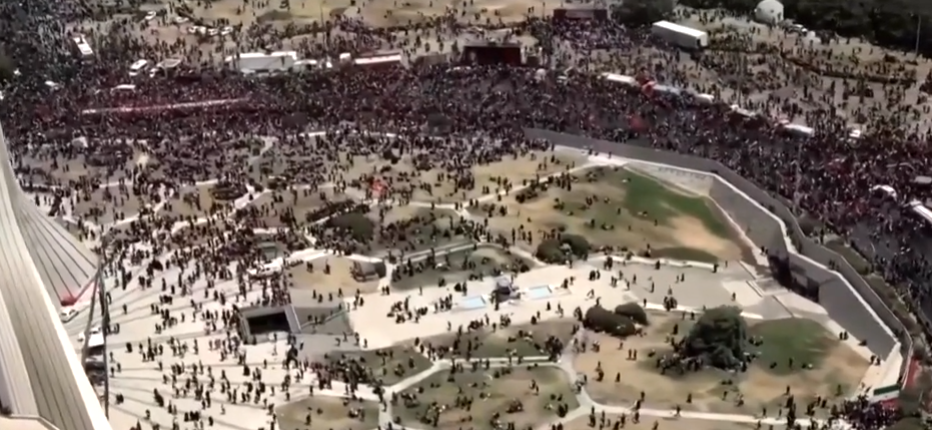
Rather than looking weakened by this war, Iran presented itself as defiant with the public funeral painting itself as the victim of assassins. They presented a unified and determined to shape what comes next. That defiance and ability to survive now underpins Iran’s negotiating strategy. The US and Israel, with their unethical assassination tactics, has unified the country as it was not before. Depicting the funeral as the moment Tehran to project strength and unity. Lyndsey Graham once said that the Ukrainians would fight to the last man standing. That defiance is now engulfing Iran.
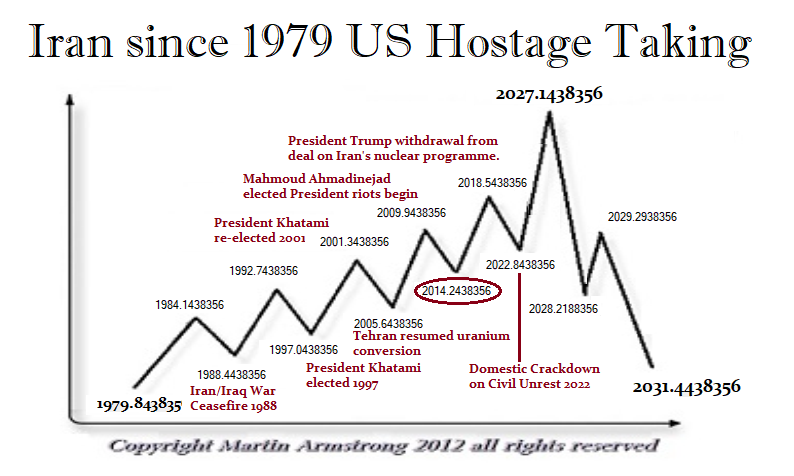
We are in this final wave between 2022 and 2027, which traditionally is the most volatile. As I posted. Dr. Dan Diker, president of the Jerusalem Center for Security and Foreign Affairs, told Newsmax on Sunday that the only way to defeat Iran’s ruling regime “is to defeat it militarily.” While Netanyahu spoke of the imminent liberation of the Iranian people from tyranny, he could care less about the Iranian people. This about his hatred for Iran.
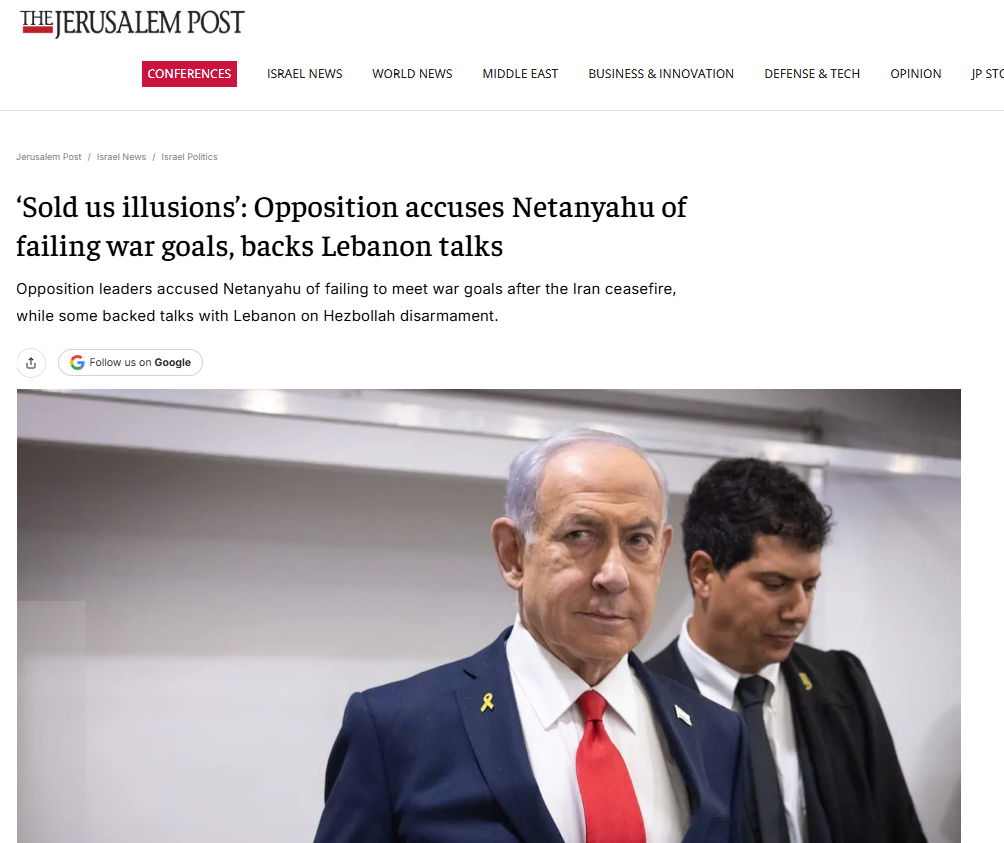
Former prime minister Naftali Bennett, leading opposition candidate, has come out anticipating that Netanyahu will run in the upcoming elections. He said in a press conference that the war’s objectives were clearly outlined in advance and had not been achieved ahead of the ceasefire.
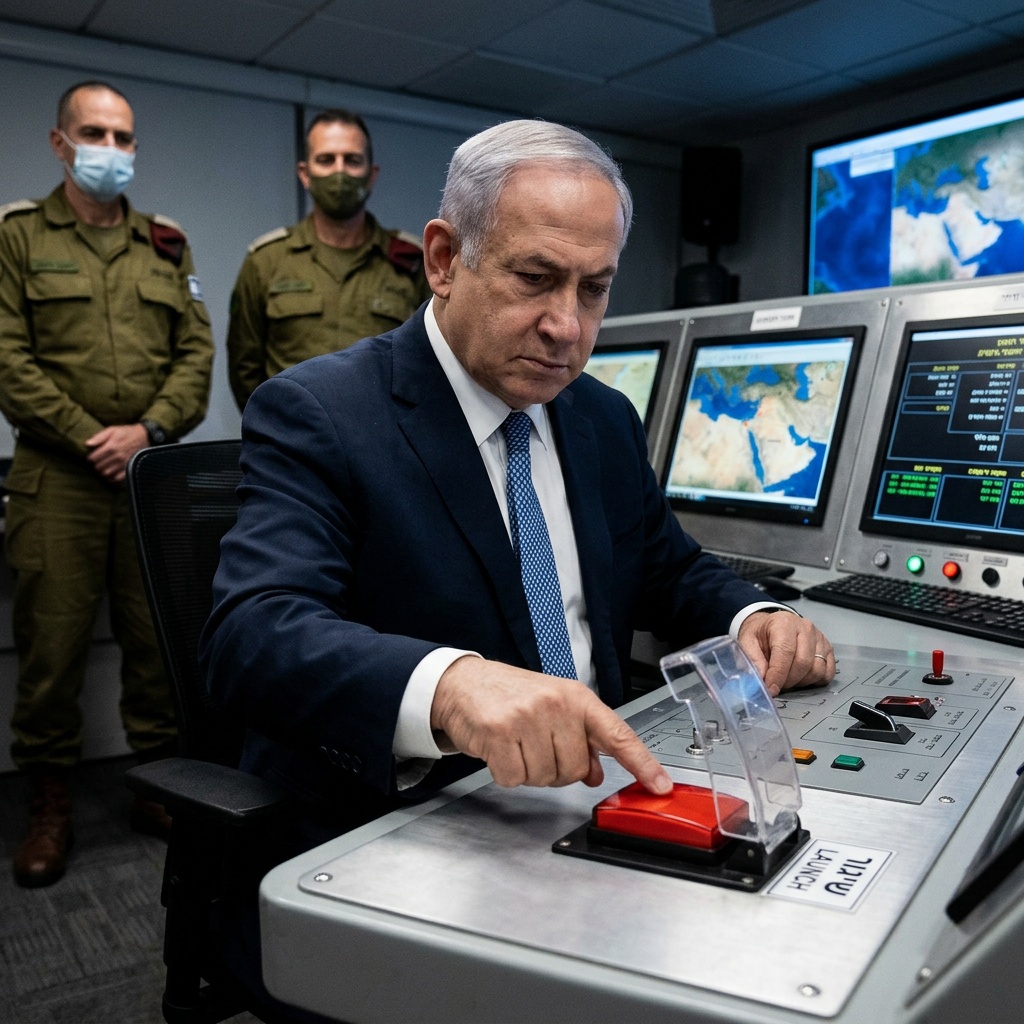
There is concern that Prime Minister Benjamin Netanyahu, who has consistently and publicly declared an unwavering commitment to prevent Iran from obtaining nuclear weapons, using the strongest possible terms, will resort to a false flag and some fear he could use a tactical nuke to try to reach Iran’s nuclear facilities deep in the mountain.
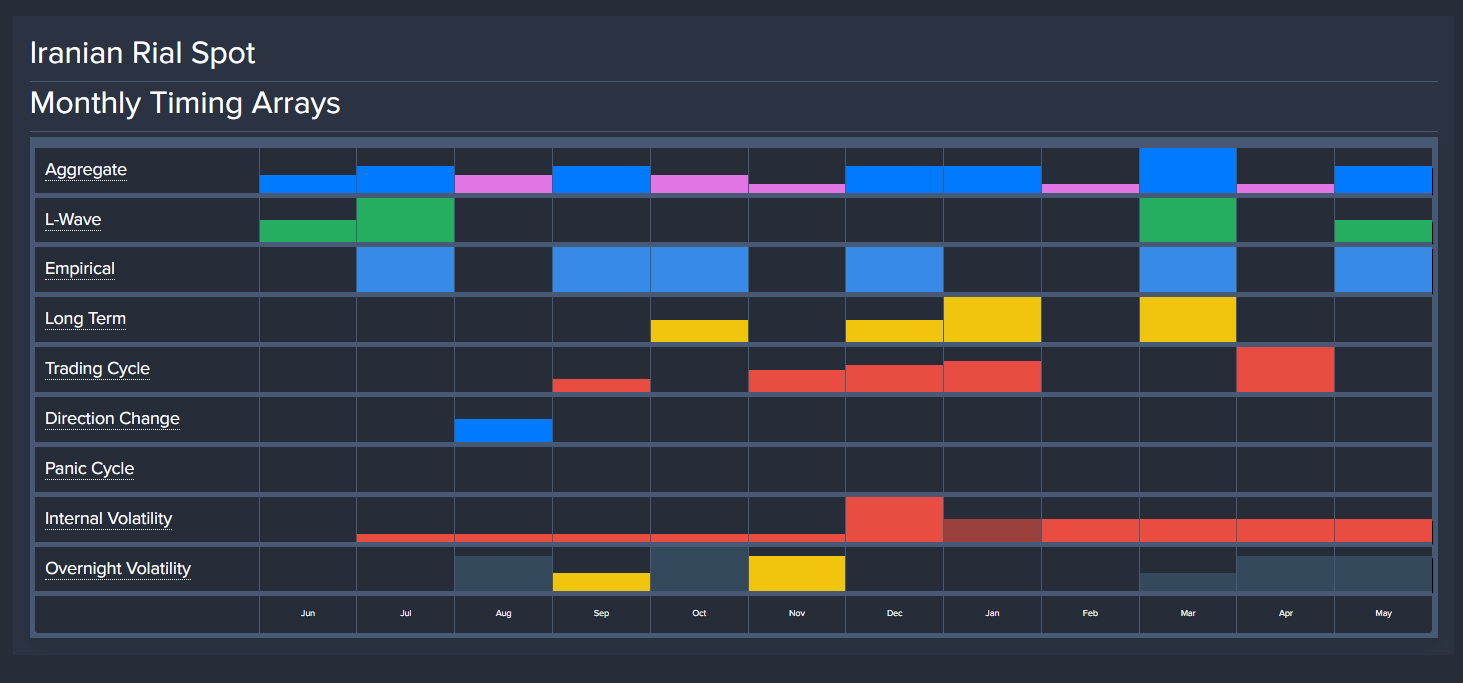
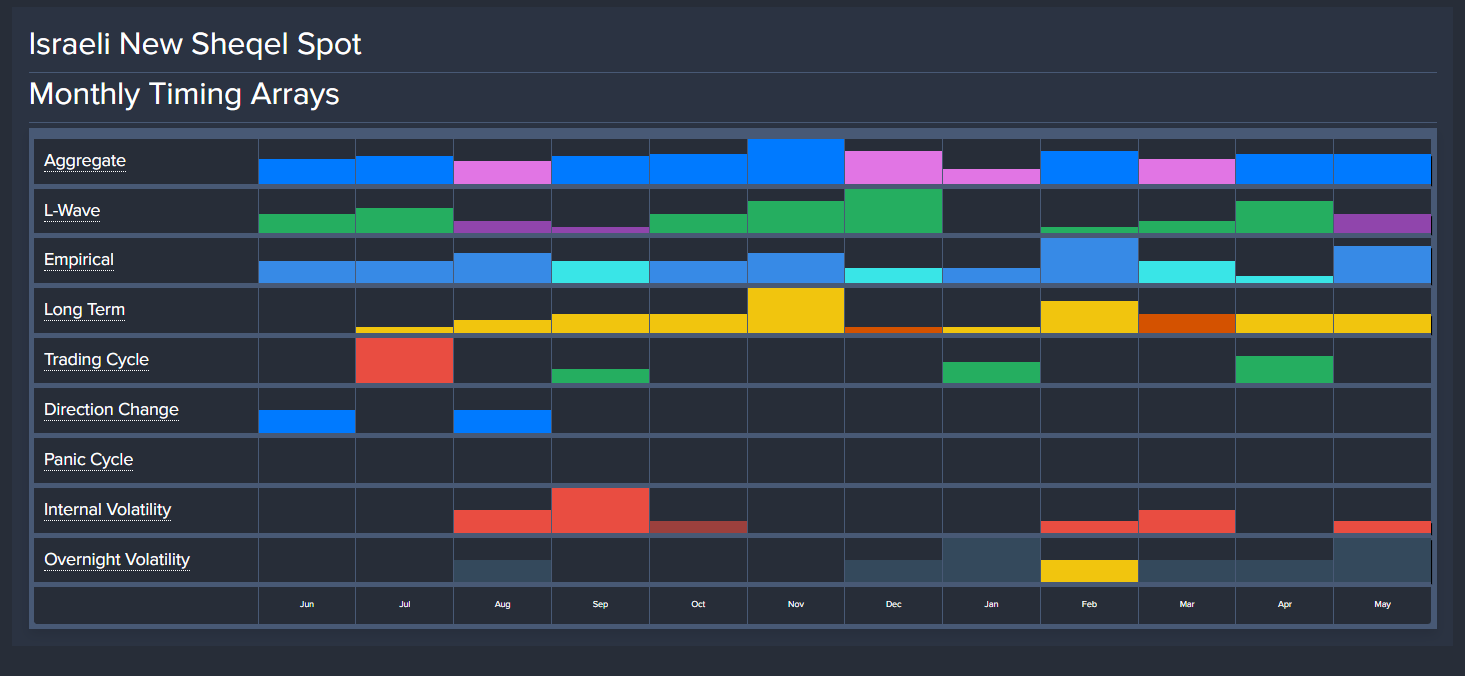
The next scheduled Israeli Knesset election is expected to be held by October 2026 (barring an early dissolution). Netanyahu’s current term is ongoing, and he remains the sitting Prime Minister. However, his future political viability could be influenced by this Iran War as well as the status of his ongoing corruption trial, which is a central factor in his political narrative.
The duration of the current government is a crucial variable. If the coalition remains intact, the election will proceed as scheduled in October. If the government collapses, the election could occur much earlier, at which point his decision to run would become clear.
It clearly warns that that something is in the wind come August and that are Directional Change in both Iran and Israel. Note that there is rising volatility in Israel for September, but not in Iran. This tends to imply that the Israeli elections will take focus.