China and Egypt had their second joint air force exercise, “Eagles of Civilization 2026,” running from mid-August into early September. The exercises include air combat tactics, air superiority operations, combat search and rescue, and force employment. This follows their first joint air exercise in 2025, so this is no longer some ceremonial visit between two countries posing for photographs. China is establishing a military relationship with Egypt at the same time that the economic relationship between the two nations is expanding rapidly.
This is what Washington never seems to understand. Trade and geopolitical influence go hand in hand. China does not need to invade countries to expand its influence. It builds ports, factories, railroads, industrial zones, financial relationships, and trade routes. Military cooperation naturally begins to follow economic cooperation because countries tend to develop strategic relationships with the nations upon which their economies increasingly depend.
Egypt is particularly important because of the Suez Canal. You cannot look at this merely as China conducting another military exercise in Africa. Egypt sits at the intersection of Africa, Asia, Europe, and the Middle East while controlling one of the most important commercial waterways in the world. China understands geography. The Suez Canal is critical to the movement of Chinese goods into Europe, and Beijing has spent years developing its economic presence around the canal.
China and Egypt conducted roughly $16 billion in bilateral trade in 2024, and Egyptian officials say more than 2,800 Chinese companies are operating in the country with investments exceeding $8 billion. The China-Egypt TEDA cooperation zone in the Suez Canal Economic Zone has become an important industrial base, with Chinese companies manufacturing inside Egypt rather than simply shipping Chinese goods through the canal. Half of the roughly $11.6 billion attracted to the Suez Canal Economic Zone over the previous three and a half years reportedly came from China.
This is where China is outmaneuvering the West. The United States looks at Egypt primarily through military aid and Middle East geopolitics. Europe sees Egypt through migration and the Mediterranean. China looks at Egypt and sees a commercial gateway connecting three continents.
Chinese companies are already producing goods in Egypt for export throughout the Middle East and Africa. Xinxing, for example, began operating a factory in the Suez Canal Economic Zone and quickly signed tens of millions of dollars in export contracts covering projects in Saudi Arabia, Iraq, Kuwait, Jordan, and Tunisia. China is effectively using Egypt as a manufacturing platform to reach markets far beyond Egypt itself.
That is the Belt and Road strategy in practice. It is not simply lending money to poor countries to build roads, as Western critics constantly portray it. China is attempting to establish commercial infrastructure along the arteries of world trade. Once companies, factories, ports, financing, and supply chains become interconnected, political influence follows.
The financial relationship is also moving in a direction Washington should be paying attention to. Egypt and China have signed agreements promoting greater use of the yuan, including connecting financial institutions operating around the Suez economic zone with China’s Cross-Border Interbank Payment System. Egypt has also issued Panda bonds in China. China is playing the long game.
Now military cooperation is following the economic relationship. The first Eagles of Civilization exercise in 2025 was unprecedented. Conducting it again in 2026 demonstrates that both sides want this relationship to continue. Beijing says the exercises are intended to increase mutual trust and deepen military cooperation. Egypt gains access to another major military power while reducing its dependence upon any single foreign supplier or security relationship.
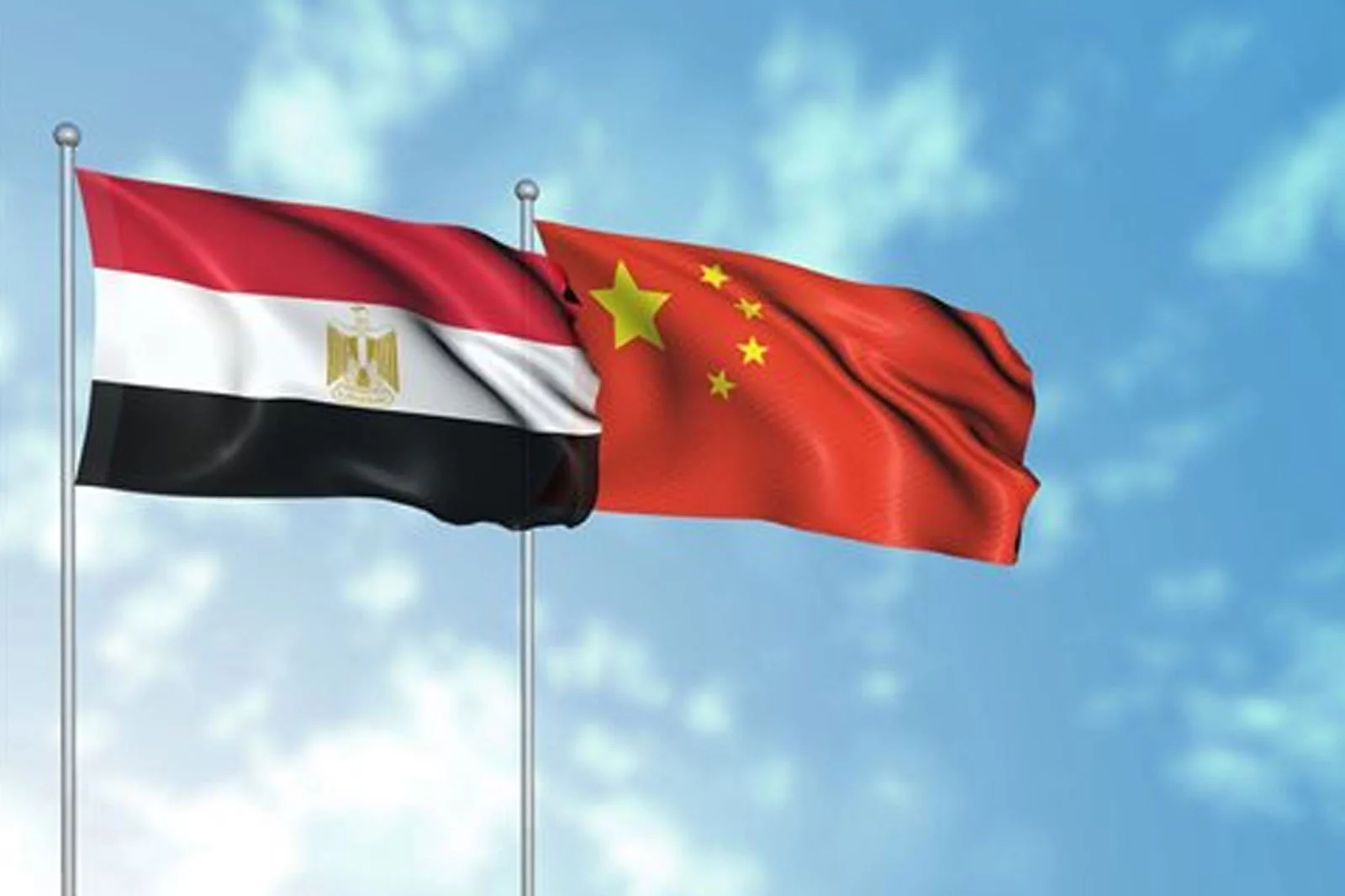
Can you blame Egypt? The United States has spent decades turning foreign policy into a loyalty test. Governments are expected to choose Washington or Beijing, Washington or Moscow, Washington or Tehran. Egypt does not have to make that choice. It can maintain military relations with the United States while conducting exercises with China and trading with everyone.
Egypt’s geographic position makes such diversification entirely rational. It sits beside Libya, Sudan, Gaza, Israel, and the Red Sea while the Middle East has entered another period of tremendous instability. Why would Cairo place its national security entirely in the hands of Washington when American policy changes every four years depending upon who occupies the White House?
China offers Egypt something different. Beijing has generally built these relationships through commerce first, financing infrastructure, developing ports, establishing factories, expanding trade, and creating financial connections that gradually deepen the economic relationship. Diplomatic and military cooperation can then follow naturally where their interests overlap. China does not need to demand allegiance when it can make itself commercially valuable.
The West increasingly takes the opposite approach, arriving with sanctions, political conditions, lectures about domestic affairs, demands over foreign policy, and threats to withdraw assistance when governments refuse to comply. Nations are then treated as adversaries simply because they choose to pursue their own interests rather than those of Washington or Brussels. This is a major reason the geopolitical landscape is changing as developing nations discover they have alternatives and no longer need to accept every condition imposed by the West.
Egypt controls one of the greatest trade arteries on Earth while China is the world’s manufacturing giant. Their expanding relationship is hardly an accident, and it will become increasingly important as the old geopolitical divisions between East and West continue to fracture.