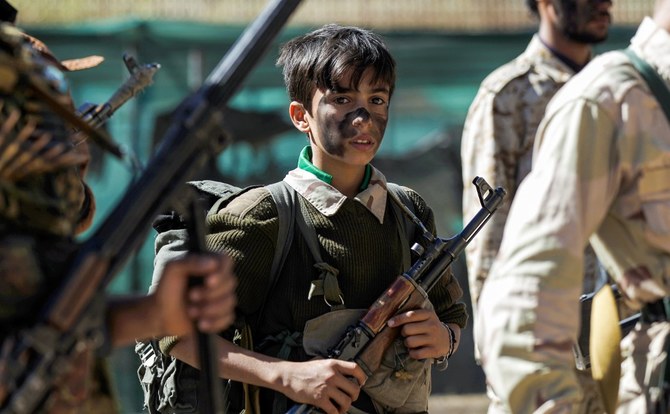
?REPORT: Immigration Canada is introducing a new express entry pathway for highly TRAINED FOREIGN MILITARY PERSONNEL.
So our Government is going to give people who don't want to assimilate into Canadian culture high-powered weapons. pic.twitter.com/iw6IRps4V6
— Wiretap Media (@WiretapMediaCa) February 18, 2026
I have warned many times that immigration policy is increasingly being shaped by political ideology rather than long-term social cohesion and economic stability. The report that Canada is considering an express entry pathway for highly trained foreign military personnel raises very serious questions that go far beyond labor shortages or skills-based immigration. When governments begin fast-tracking individuals with military training into civilian society under expedited frameworks, this is no longer just an economic policy — it becomes a national security and social stability issue.
Historically, successful immigration systems were built around assimilation, economic contribution, and cultural integration. Governments are struggling to build their militaries amid recruitment shortages. Their solution is to import “skilled” fighters as we move closer to global conflict. Military personnel will be included among other high-skilled occupations since the demand far exceeds the available domestic supply.
The larger concern is assimilation and demographic shifts. I have repeatedly stated that social stability depends on shared legal, cultural, and institutional norms. When immigration policy accelerates without equal emphasis on integration, fragmentation follows. Europe has already demonstrated this lesson in multiple countries where rapid demographic policy shifts created long-term social divisions and rising political polarization. Canada is not immune to those same cyclical forces simply because it has historically maintained a more structured immigration system.
There is also the geopolitical layer that cannot be ignored. We are entering a period of rising global volatility into the 2026–2032 window, according to the cyclical models. During such phases, governments increasingly prioritize security, institutional resilience, and strategic labor pools. Policies targeting military-trained migrants may be framed as skills-based immigration, but they also reflect a broader shift toward state planning in response to global uncertainty.
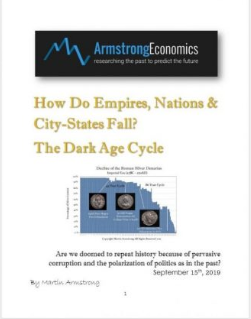
Look at Russia. Putin turned to Kim Jong-un in a desperate plea to recruit more men. Impoverished nations are willing to import anything, including humans. Canada’s announcement alludes to the government’s importance of rapidly building the armed forces. Canada was so focused on forcing their own men and women to take the COVID vaccines a few years back that they pushed away contenders. What could go wrong if a nation opens its borders to trained mercenaries who may have an allegiance to a foreign government? Ancient Rome too relied on non-Roman recruits, but that was merely one aspect of the collapse.
I have explained in my writings on the Fall of Rome and How Empires Die that empires always turn to external manpower when domestic demographics weaken, and the population no longer supports the state financially or militarily. Hiring outsiders, expanding bureaucracy, and increasing control are all late-cycle responses to declining confidence in the system itself.