In Portugal, self-described conservatives have openly backed a left-wing candidate, António José Seguro, not because they agree with his policies, but explicitly to prevent a nationalist candidate from winning the presidency. The target of this is André Ventura, leader of Chega, whose rise reflects the same voter revolt seen across Europe. “They are not fighting for Portugal, they are afraid that, if I win, the thievery will come to an end,” Ventura claimed.
When conservatives tell their own voters to support the left in order to stop a populist challenger, they are admitting they no longer represent the electorate they claim to lead. Their loyalty is not to policy, principles, or voters but to the system itself. These politicians represent the establishment, and anyone who fails to fall in line with establishment and/or globalist sentiment is considered “far-right.”
The establishment insists this is necessary to “defend democracy.” But democracy does not require protection from voters. When elites decide that certain outcomes are unacceptable regardless of how people vote, democracy becomes conditional. You may participate, but only if you choose correctly.
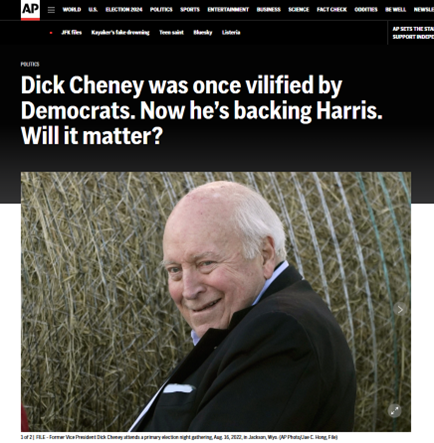
We saw this during the last US Presidential Election when conservative neocons jumped on the “anyone but Trump” bandwagon. Portugal is simply being more honest about what others are already doing quietly. In Germany, nationalist parties are fenced off regardless of election results. In France, courts are being used to determine who may run for office. In Portugal, the mask is off entirely: better to abandon your own ideology than allow a movement outside the approved consensus to gain power.
The voters supporting Chega, the National Rally, or the AfD are not radicals by nature. They are people reacting to rising costs of living, uncontrolled migration, endless war spending, and governments that no longer listen. Suppressing those voters only deepens the problem.