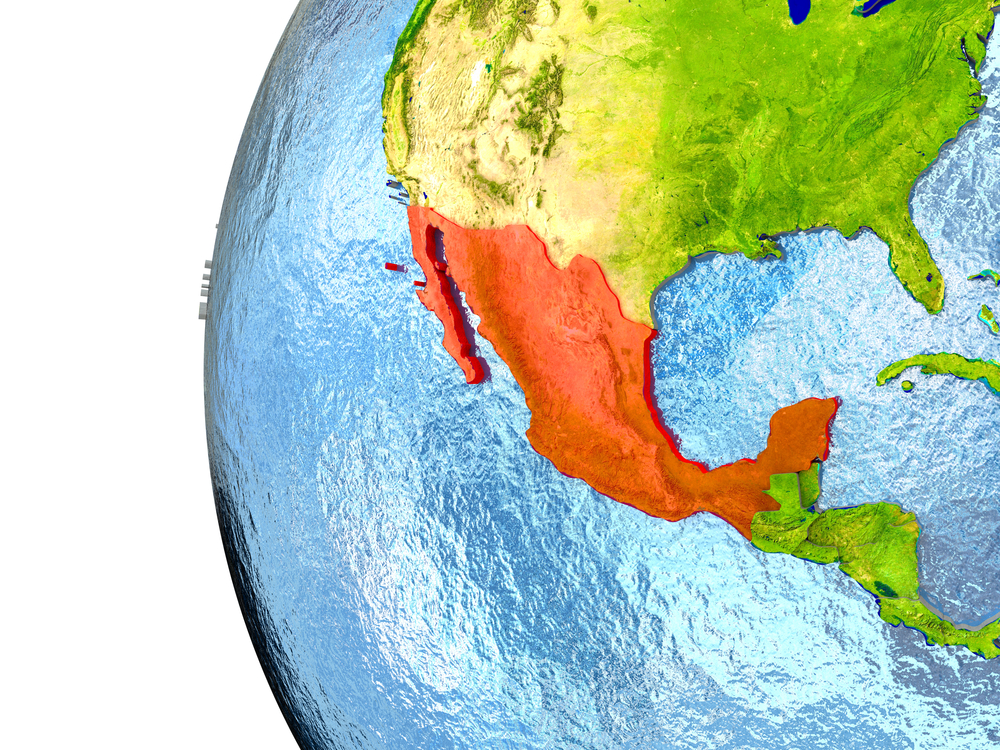
Mexico is increasingly benefiting from one of the largest supply chain realignments in modern economic history. Factories are expanding, industrial wages are rising, foreign investment is pouring in, and millions of Mexicans are experiencing growing economic opportunity in real time as capital shifts closer to the United States.
Mexico’s economy is being transformed by nearshoring. For decades corporations concentrated production heavily inside China to maximize cheap labor and globalization efficiencies. Now companies want manufacturing closer to the American market because of geopolitical tensions, shipping disruptions, rising Chinese labor costs, and growing concerns over supply chain security. Mexico sits directly at the center of that transition because it already possesses deep trade integration with the United States through the USMCA framework.
Mexico recently attracted more than $36 billion in foreign direct investment while exports surpassed $600 billion annually, making the country one of the largest manufacturing exporters in the world. Industrial hubs throughout northern Mexico are expanding rapidly as companies tied to automotive production, electronics, aerospace, semiconductors, logistics, and industrial manufacturing continue relocating operations closer to the United States.
Entire regions are being reshaped economically. Industrial construction across northern Mexico surged dramatically as warehouse space, factories, rail infrastructure, and logistics centers expand around Monterrey, Ciudad Juárez, Tijuana, Saltillo, and other manufacturing corridors. Demand became so strong in some industrial zones that vacancy rates reportedly fell below 1–2% while industrial rents climbed sharply due to limited available space.
This is real economic activity, not simply financial engineering. Automobile manufacturing remains one of the clearest examples. Mexico now produces more than 4 million vehicles annually and has become one of the world’s largest auto exporters. Companies including Tesla suppliers, BMW, Kia, Toyota, General Motors, and numerous parts manufacturers continue investing billions into Mexican production capacity as North American supply chains deepen further.
Industrial wages are rising alongside the expansion. Manufacturing pay in many regions increased materially over recent years while unemployment remains relatively low in major industrial corridors. Middle-class growth has accelerated in parts of northern and central Mexico as higher-paying industrial jobs expand outward into logistics, engineering, construction, technology, transportation, and consumer spending sectors.
The younger generation increasingly sees opportunity connected directly to this industrial expansion cycle. That psychological shift matters enormously because confidence drives consumption, entrepreneurship, and long-term investment behavior. In many Western countries younger generations increasingly feel locked out of housing, overwhelmed by debt, or trapped under declining purchasing power. In parts of Mexico, rising industrial activity is creating upward mobility tied directly to production growth and capital inflows.
The peso itself became one of the strongest-performing currencies globally recently, strengthening materially against the dollar while many developed-world currencies weakened. That stability helped contain imported inflation pressures relative to many Western economies struggling with currency deterioration and energy shocks.
Mexico also benefits from demographics at a time when much of the developed world faces aging population crises. The country maintains a younger labor force than Europe, Japan, South Korea, or even China, while remaining deeply connected to the largest consumer economy on earth.
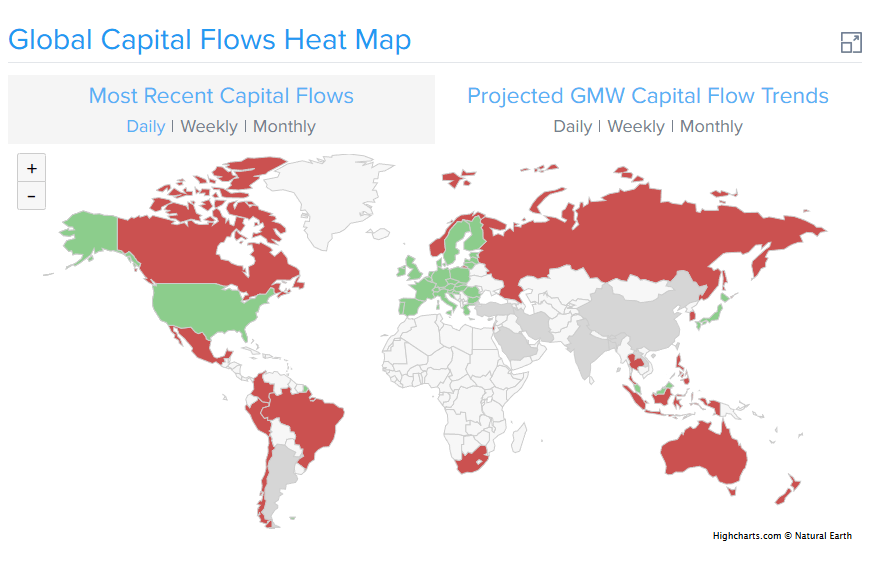
Mexico is not rising because governments suddenly became brilliant. Mexico is rising because global capital is repositioning itself geographically. The United States remains the primary destination for international capital during periods of global instability, and Mexico increasingly benefits secondarily because corporations want production integrated directly with American markets.
None of this means Mexico lacks problems. Cartel violence remains a serious issue in portions of the country. Infrastructure bottlenecks still exist. Water shortages threaten some industrial regions. Wealth inequality remains significant and parts of southern Mexico continue lagging economically behind the industrial north.
While Europe increasingly deindustrializes itself through energy policy and overregulation, Mexico is industrializing further through manufacturing expansion and trade integration. That distinction is becoming increasingly important globally.
The world economy is fragmenting into regions attracting capital and regions repelling it. Mexico is increasingly landing on the receiving side of those flows because geography, labor costs, demographics, and industrial integration with the United States create advantages that corporations cannot ignore. That is why millions of Mexicans are increasingly feeling economic momentum build around them in real-time.