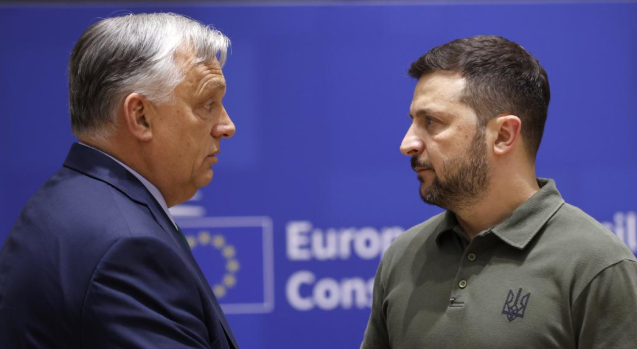
Hungary’s Viktor Orban declared that anyone attempting to dismantle his nation’s energy supply is an “enemy.” “Anyone who says this is an enemy of Hungary, so Ukraine is our enemy,” he said. Furthermore, Orban believes it is not in his nation’s best interest to permit Ukraine to join the European Union. “Hungarians should not want military or economic cooperation with Ukrainians, because they are dragging us into war.”
Orban’s comments are not some sudden outburst of nationalist rhetoric. It is the inevitable consequence of Europe’s self-inflicted energy war and the refusal of Brussels to confront economic reality. Hungary, like Slovakia, was built on the assumption of stable, inexpensive Russian oil and gas. Entire industrial systems, pricing structures, transportation networks, and household energy models were engineered around that reality for decades.
When Brussels decided it could simply erase Russian energy from the European economy by decree, it condemned countries like Hungary and Slovakia to economic stress that Western Europe is insulated from. Germany can pretend to moralize while subsidizing collapse; smaller states do not have that luxury.
Ukraine’s push to terminate Russian energy transit through its territory was celebrated politically, but economically, it was devastating for Central Europe. Slovakia lost critical transit revenues overnight, while Hungary was forced into higher-cost alternatives. Ukraine’s actions, combined with EU sanctions, have directly threatened Hungary’s economic stability.
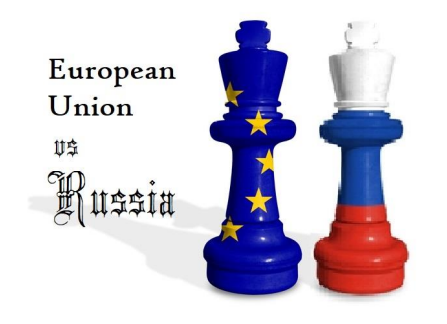
The European Union created this conflict by pretending that energy is merely a moral issue rather than the foundation of modern civilization. You cannot shut down reliable supply chains and replace them with slogans, windmills, and press conferences. Energy shortages translate directly into inflation, declining real wages, collapsing manufacturing, and rising civil unrest. That is precisely what we are witnessing across Europe.