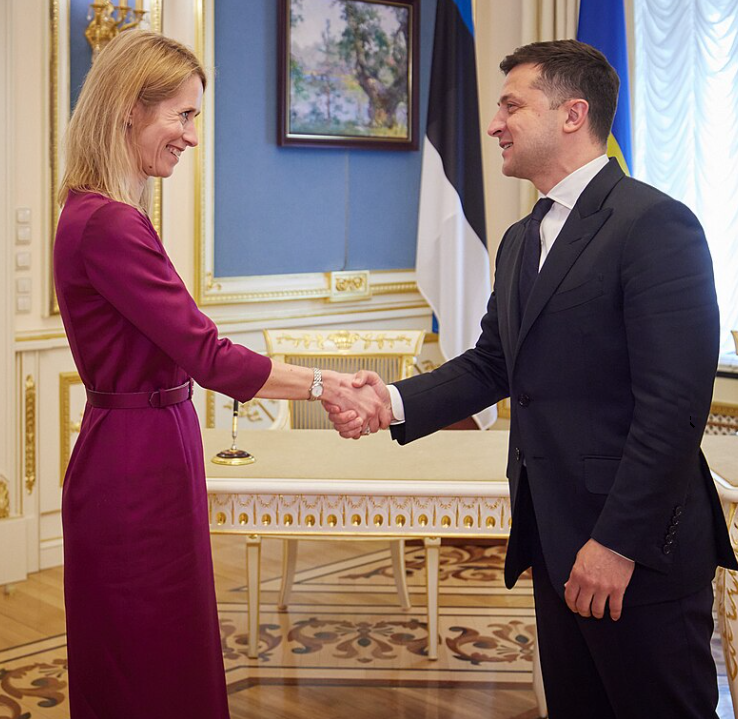
Estonia is urging an EU-wide ban on entry for Russian soldiers who have fought in Ukraine. Estonia has already imposed permanent entry bans on some Russian combatants, and now the idea is being discussed among EU foreign ministers as a unified bloc response to a post-war security landscape that most Europeans are only beginning to comprehend.
Neocon Kaja Kallas is one example of Estonia’s view of Russians. “Russia has close to one million combatants. They are mainly criminals. They are very dangerous people,” Estonian Foreign Minister Margus Tsahkna told reporters. “Europe is not ready for that.”
Europe permitted actual terrorists from the Middle East to enter its borders and seek asylum. Russia’s Putin implemented a draft; an entire generation of men has been sent to battle. Those who hold strong anti-Russian sentiment want to ensure that Russians permanently stay within Russia by banning an entire generation from migrating or seeking asylum.
“We need to protect European security, and we need to do it together,” Estonia’s Tsahkna said, adding: “There can be no path from Bucha to Brussels. This is the main message.”
Estonia has already imposed permanent entry bans on some Russian combatants, and now the idea is being discussed among EU foreign ministers as a unified bloc response. Kallas is championing the broad ban by claiming all Russians pose a threat to Europe’s existence. Identity politics is becoming policy.
If the EU begins banning individuals based on past association with an adversary state’s military, then Europe is redefining its own internal rules. Countless Russians have family ties to bordering Eastern European nations. Should they be punished for the mandatory draft? Kallas and others not only want to destroy Russia, but they also want to segregate Russians from Europeans.
When you label a class of people permanently undesirable because they served their country in a conflict, you create multigenerational resentment. We saw this after World War I with Germany. The attempt to morally and economically quarantine an entire defeated power did not produce peace. It produced rage that carried forward into the next cycle of war. You cannot humiliate one generation and expect the next to forget.