China’s GDP advanced by 4.5% in Q4 2025, slightly down from the 4.8% in Q3. Economic output for the year was 5%, in line with the target and aided by a strong industrial output of 5.2% in December. Notably, retail sales grew at a slow pace of 0.9% for the month, and growth slowed 4.5% YoY, highlighting the decline in domestic demand.
When an economy is truly healthy, domestic demand leads. The consumer spends, business expands, imports rise, and you see balanced growth. Instead, what we are seeing is the opposite. External trade is carrying the headline numbers while the internal economy becomes more fragile.
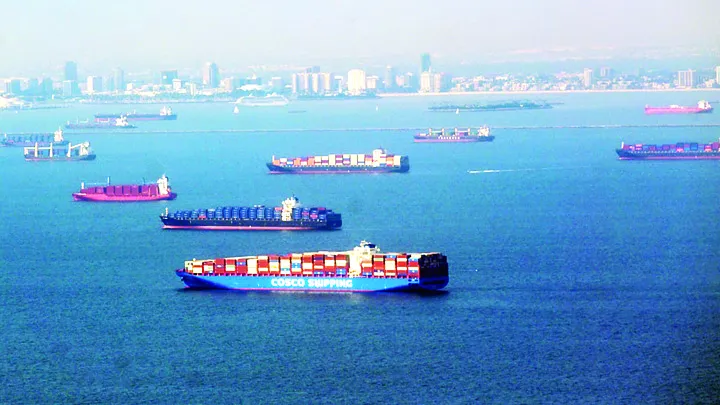
Beijing is leaning on industrial activity and exports, and this is where the imbalance becomes glaring. China posted a nearly $1.2 trillion trade surplus in 2025, with exports rising about 5.5% even as imports showed little growth. China is selling to the world because it cannot fully absorb production domestically.
You also see this in the real estate collapse and the investment drag. Property has been the primary store of wealth and confidence for the Chinese. Reuters noted property investment fell 17.2% in 2025 and that consumption and investment are dragging while exports remain robust.
This is precisely why I have warned for years that you cannot look at “trade surplus” as some trophy without understanding the internal dynamics. The surplus is exploding because domestic demand is not keeping pace. Imports are not surging because the internal consumer and internal business confidence are not driving the same kind of pull. This is the classic imbalance of an economy becoming dependent on external demand. China is still on the rise long-term, but they’re looking at an economy that has become one-sided, which can be dangerous in today’s landscape of trade wars, regulations, supply chain constraints, and war itself.