October retail sales were flat following a downwardly revised 0.1% rise in September, missing expectations yet again. This is precisely the type of number that gets spun as “resilient” or “temporary softness,” depending on the political agenda. But when you actually break the data apart, the internal contradictions tell us far more than the headline figure ever could.
Consumer spending feeds into GDP, and retail sales excluding food, autos, and gas surged by 0.8%. That is a strong rebound from September’s decline and above expectations. Consumers are spending albeit defensively.
Auto sales dropped sharply, down 1.6%, which should surprise no one. Auto affordability has collapsed under the weight of high interest rates, extended loan terms, and mounting delinquencies. People stop buying big-ticket items that require financing when confidence wanes and inflation persists.
Food services declined, consistent with job losses in the hospitality sector. Building materials and garden equipment also declined as house-related spending cools. Furniture, sporting goods, nonstore retailers, clothing, electronics, and general merchandise rose but we are in the midst of the Q4 holiday shopping rush.
We are transitioning from an inflationary shock phase into a confidence erosion phase. Spending does not collapse all at once. Rather, spending fragments as consumers become more selective. Smaller discretionary spending on items like merchandise seems more manageable than larger purchases that require financing. Policymakers will insist everything is fine because GDP has not collapsed, but we are witnessing a clear loss of momentum.
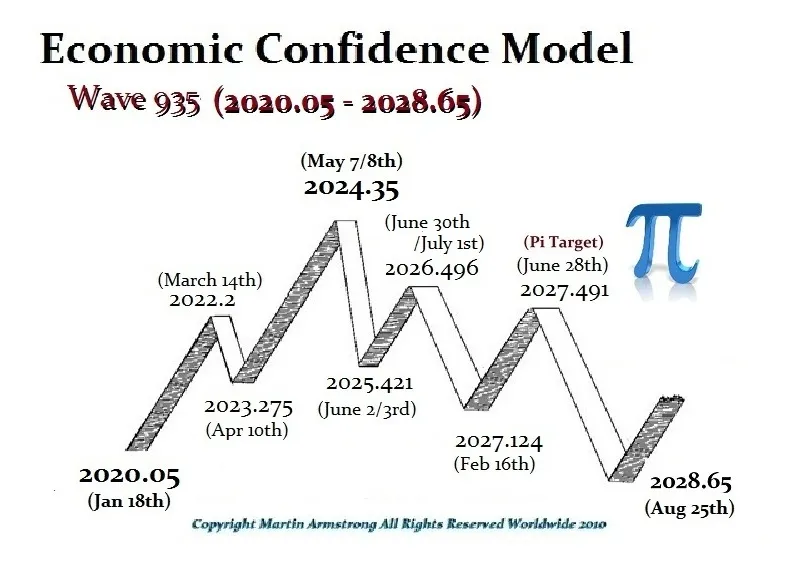
As we move toward 2026, the models continue to point toward rising volatility, weaker capital formation, and a growing divergence between what governments say and how people actually behave. Retail sales are telling a story of adaptation before contraction.