The September jobs report should put an end to the fantasy that the American economy can absorb rising prices indefinitely without eventually hitting employment. The economy added only 29,000 jobs when economists expected roughly 84,000, while unemployment increased to 4.2%. Worse still, July was revised from a gain of 21,000 jobs to a LOSS of 10,000, and August was revised down from 162,000 to 133,000. Those revisions erased another 60,000 jobs from what we were previously told was a stronger labor market.
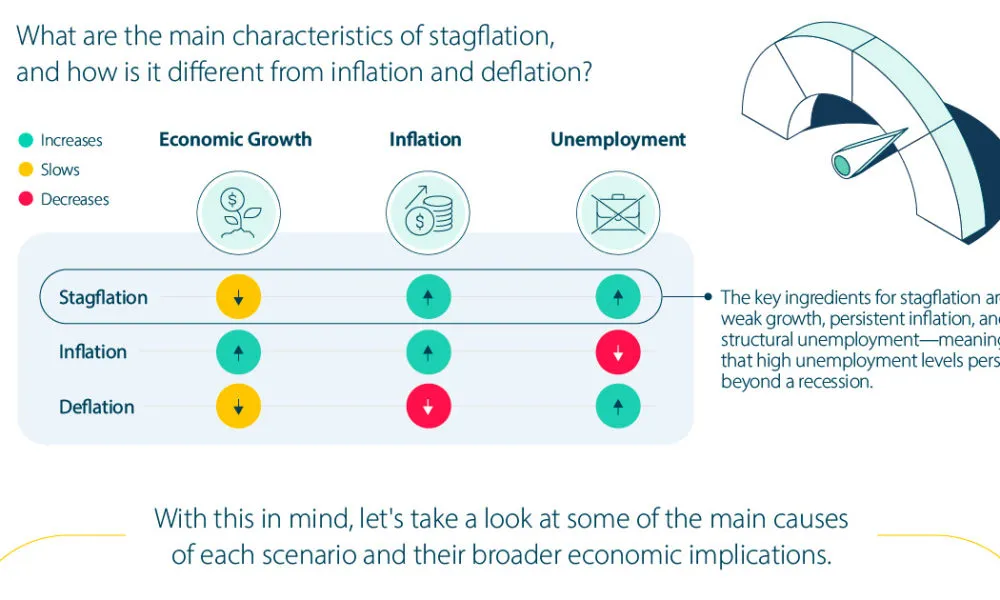
This is the stagflationary squeeze I have been talking about. Prices remain elevated while economic growth and employment begin to weaken. Average hourly earnings increased only 0.1% in September and 3.0% over the past year. Consumer inflation has been running above that pace, meaning workers can receive a nominal raise while still losing purchasing power. You can have a job, earn more dollars, and still become poorer in real terms.
The labor market is not collapsing, and that distinction matters. Initial unemployment claims remain low and the unemployment rate has stayed between 4.1% and 4.3% since March. But the direction underneath the headline is deteriorating. There are now 7.1 million unemployed Americans, 1.9 million have been unemployed for at least 27 weeks, and 4.5 million are working part-time for economic reasons because they cannot find full-time work or their hours have been reduced.
This is precisely the environment that traps the Federal Reserve. Raise rates to fight inflation and you place additional pressure on employment, housing, business investment, and debt service. Lower rates to support employment and you risk feeding inflation that is increasingly being driven by energy, tariffs, supply constraints, government deficits, and geopolitical disruptions that interest rates cannot solve. The Fed cannot print oil, manufacture raw materials, or clear a manufacturing backlog.
The average American gets crushed from both sides. Confidence is already falling because people see their cost of living rising while they become less certain about their employment. A household can survive expensive groceries when wages are rising and jobs are plentiful. It becomes an entirely different economic environment when groceries remain expensive, wage growth falls behind prices, and employers stop hiring.
That is why September’s 29,000 jobs matter. It is not evidence of some sudden depression, but it is another warning that the economy is losing momentum while the cost-of-living problem has not disappeared. Stagflation does not require 1970s-style double-digit inflation and unemployment before people feel the pain. The squeeze begins when prices remain stubbornly high while employment opportunities, real wages, and confidence begin moving in the wrong direction at the same time.