I warned previously that the migration policy of open boarders would become the core issue that would eventually break the EU into pieces. The indigenous people are the minority in most major cities. But the migrants that were allowed in were NOT there to assimulate and blend into European culture. Instead, they brought their own culture with them to effectively transform Europe.
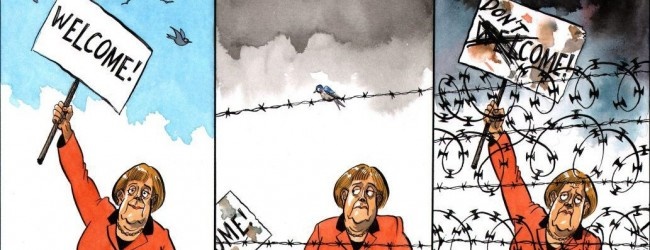
 EU migration policy has now raised the risk of violent civil unrest, which could on the one hand appear as a civil war, it has created a severe political crisis that is deeply dividing the bloc. The evidence points to a breakdown of unity, with member states turning on each other and the far-right using the issue to gain power. This all began with Merkel being a hard-ass against bailing out Greece when the criticism of her was building. She then wanted to personally reverse her own image and opened the gates to the Syrian Refugees. That began the downfall of the EU all for her personal vanity.
A Crisis of Unity, Not Civil War
The core issue isn’t internal armed conflict of one state against another but a “widening rift” between EU member states over how to handle migration. Recent events, such as the migrant surge into the Spanish enclave of Ceuta, have exposed these fractures.
Instead of showing solidarity, some EU nations blamed Spain for the crisis. Italy even temporarily suspended its open-border Schengen agreement with Spain, and 22 out of 27 EU countries backed a call for firmer action, implicitly criticizing Spain’s approach.
This migration is no longer just an economic or social issue; it has become a sharp political weapon of division. This was demonstrated in the immediate aftermath of the Ceuta crisis, where far-right parties used the event to attack the Spanish government and call for stricter measures.
The severe political fallout is widely attributed to how migration policy has been politicized and used as a tool for electoral gain. The surge in support for far-right parties has clearly eroded the bloc’s capacity for coordinated action. Their success on anti-immigration platforms has forced more centrist parties to adopt similar, tougher stances to retain voters. To the outrage of Brussels, their failed policies and vision have given rock-solid support in Germany to AFD.
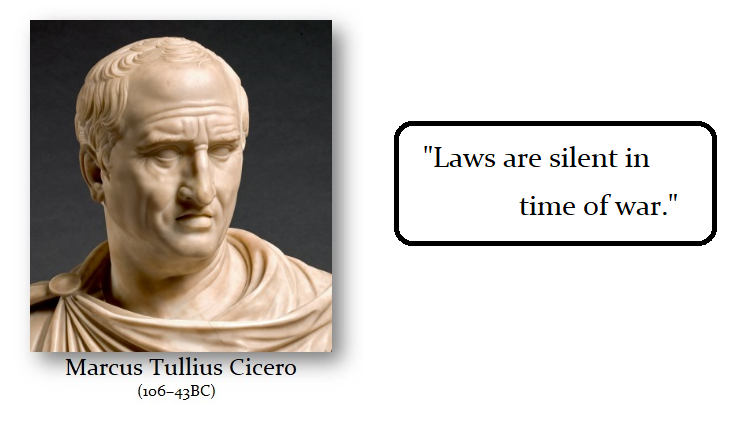
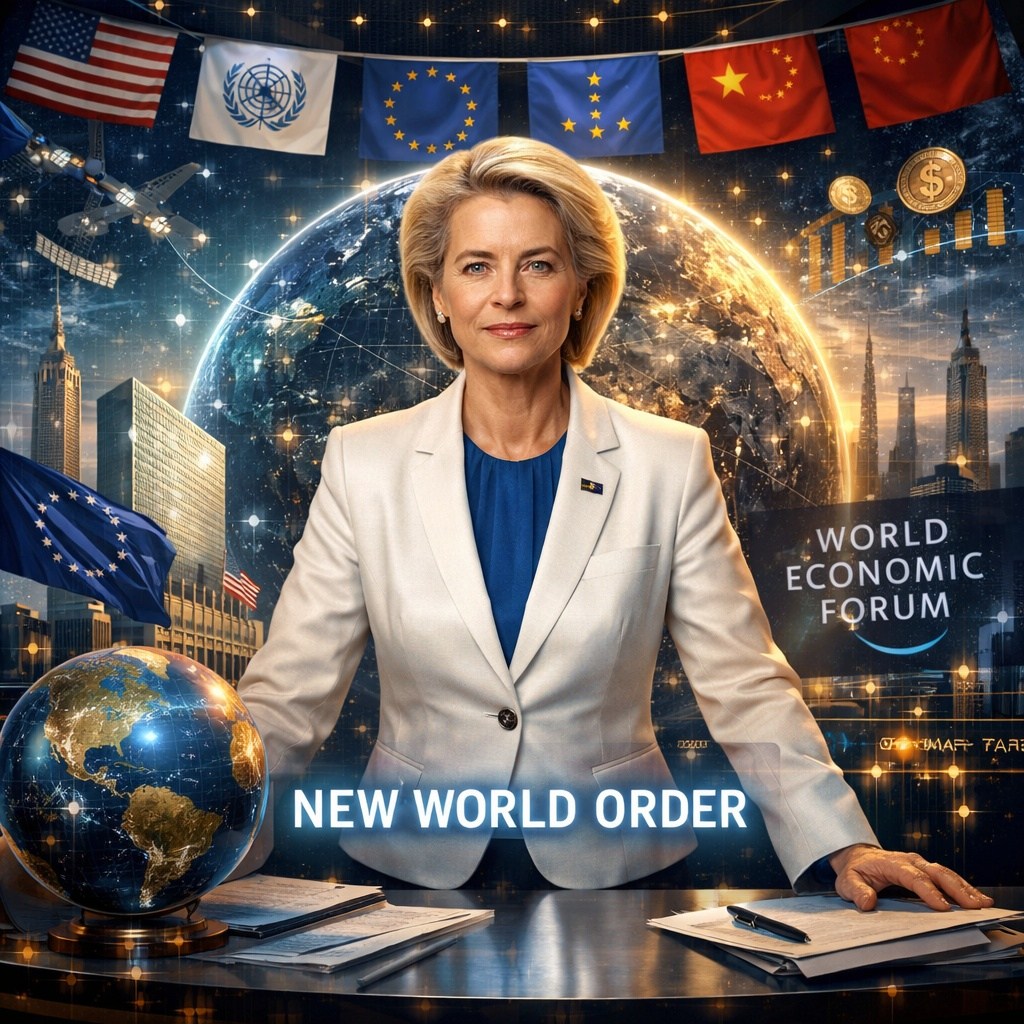
Worse still, they have adopted a policy of interfering in elections from Romania and Italy to Hungary and Germany and we should not forget their shenanigans to prevent Scotland from separating from England. As will any government entity, they will violate whatever law when it come to a threat against their power. After the EU interfered in Hungary to remove Orban, Ursula von der Leyen sought to completely revise the foundation of the EU and repeal the law of the land to retain absolute power.
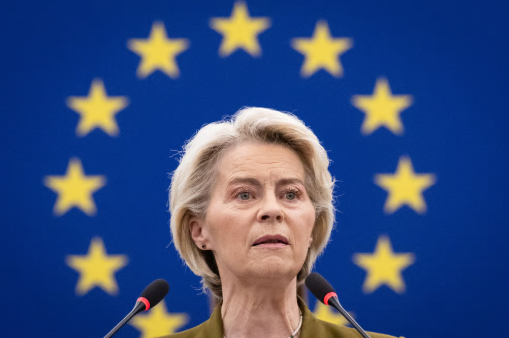
Ursula von der Leyen, an unelected bureaucrat who has never stood for any public election, has the audacity to call Putin a dictator who at least stands for an election. After she got rid of Viktor Orban, she then has sought to create an absolute dictatorship in Europe. She is calling now for effectively that no single country should block the EU again. She had completely reversed the promise of a majority vote to prevent any single country from dominating another.
What von der Leyen has proposed in response to the situation is moving towards qualified majority voting on foreign policy matters, a reform that would prevent any single nation from vetoing EU decisions. Hungary stood against war with Russia, which the EU is determined to create, but also against the massive influx of migrats that is undermining the very culture of Europe.
Whatever decision she has made has been to destroy European culture. The EU has invested heavily in “externalizing” its borders, relying on third countries like Morocco to stop migrants before they reach Europe. However, this backfired in Ceuta, where it was suggested Morocco may have allowed the surge as leverage in a diplomatic dispute, creating a “new problem” where Europe’s “gatekeeper” holds significant influence.
The EU’s new migration pact, designed to share responsibility, is struggling before it’s even fully implemented. A central part of the plan relies on member states voluntarily relocating at least 30,000 asylum seekers. However, Poland, Austria, Belgium, and Sweden have already refused to accept any, signaling a “painful” path ahead. This deep resistance to burden-sharing is a core reason the policy has become so divisive.

In truth, the EU’s migration policy has backfired in a political sense, leading to deep divisions, a rise in nationalist sentiment, and a crisis of confidence in European solidarity. While the term “civil war” typically applies to an internal political divide like the English or American civil war, it is not accurate for this situation. Here the greater risk is a violent outbreak between the migrants and the indigenous people of Europe. That took place in Philadelphia with the migration of Irish during an economic decline taking jobs from Americans. This is the risk now from 2026 into 2928.
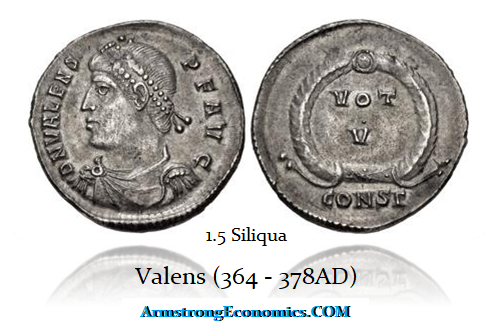
I have warned that this is not a unique forecast. Roman Emperor Valens (364-378AD) let the Goths enter the Roman Empire assuming they would defend Rome against the advancing Huns. He trained the Goths in Roman military tactics, and because they were of a completely different culture, they did NOT assimalate into Roman society. The Goths then turned on the Romans as they were really a separate class in retaliation. Valens met his death on August 9th, 378 AD, in one of the greatest military catastrophes ever suffered by the Roman Legions – the Battle of Aadrianopolis. Hos body was never found. This is the risk that Europe faces – internal conflict between cultures.
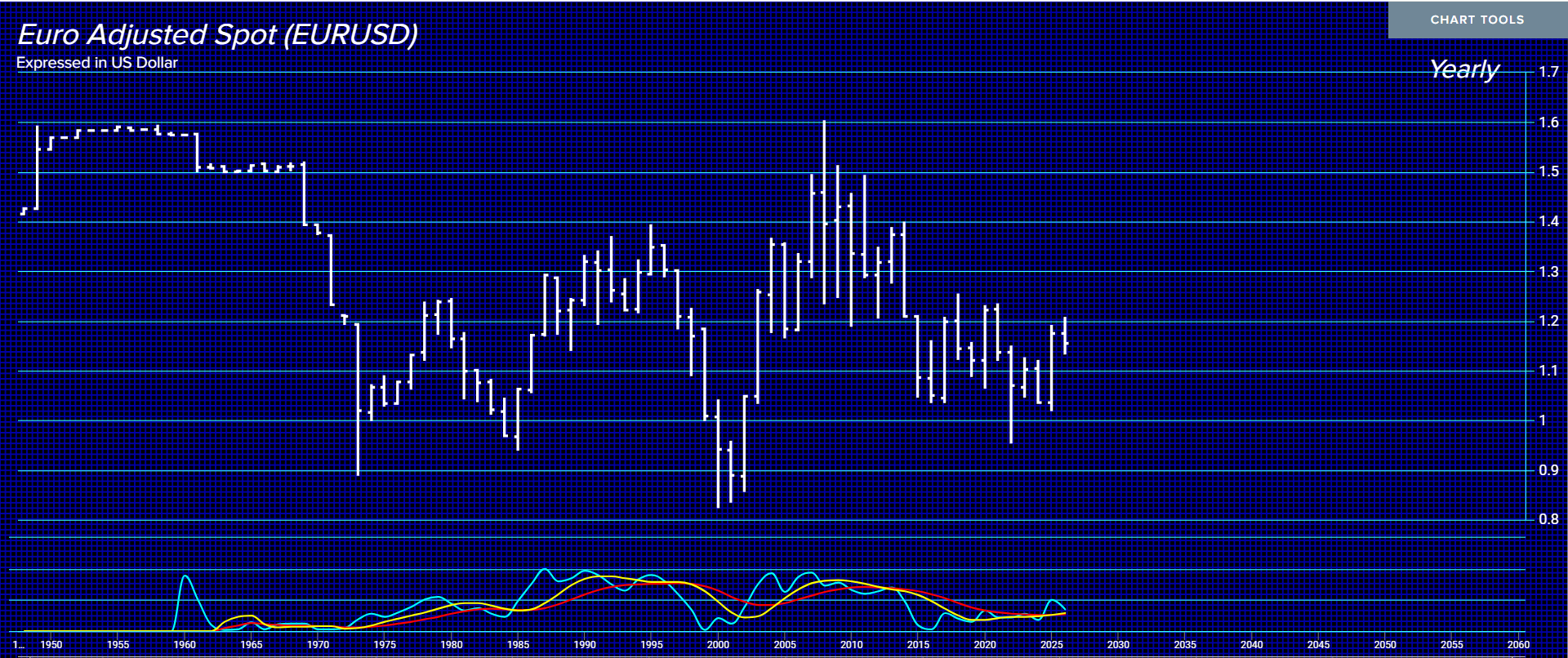
The political fallout from the migrant crisis is most visible in how it’s turning EU member states against each other, creating a toxic atmosphere where national interests are consistently prioritized over European solidarity. This will eventually lead to the breakup of the EU as early as 2029 and most certainly it will NOT exist beyond 2032.