Student loan defaults have surged to 9.2 million borrowers, representing roughly one in every five people with student debt. What is astonishing is the speed of the deterioration. There were approximately 6 million borrowers in default last August. That figure jumped to 7.7 million by December. By April it had reached 9.2 million. Another 3 million borrowers are reportedly at least 90 days delinquent and appear headed in the same direction.
The government suspended reality for years through payment pauses, forbearance programs, and emergency measures that temporarily masked the problem. Now collections have resumed. Wage garnishment is returning and borrowers are once again being confronted with debts that never disappeared. Politicians celebrated the pause as though the crisis had been solved. All they really did was postpone the reckoning.
What nobody wants to admit is that the student loan system became fundamentally broken the moment the federal government guaranteed virtually unlimited lending. Once colleges realized that students could borrow almost any amount with government backing, tuition exploded. Universities had no incentive to control costs. They built lavish facilities, expanded administrations, hired armies of bureaucrats, and continuously raised tuition. Students were told that any debt was acceptable because a degree would guarantee future prosperity. The numbers tell a different story.
Tuition costs have risen by hundreds of percentage points over the past several decades, vastly outpacing inflation and wage growth. Yet many graduates entered labor markets where earnings never remotely matched the debt burden they accumulated. Entire generations were encouraged to believe that college was the only path to success. Many emerged with degrees carrying little market value but very real financial obligations.
Borrowers are returning to repayment obligations while facing some of the highest living costs in decades. Housing costs remain elevated. Insurance premiums continue rising. Food prices have increased substantially. Many young Americans are already delaying homeownership, marriage, and family formation. Now millions face renewed collection efforts and potential wage garnishment on top of those challenges. The economic pressure is becoming overwhelming.
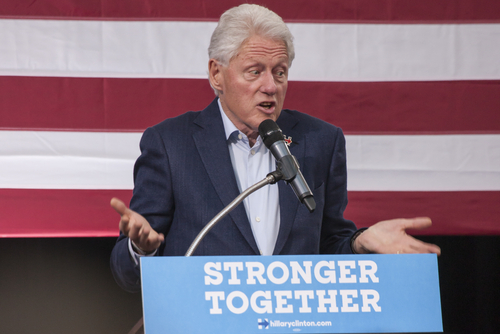
The roots of this disaster go back decades to the Clinton Administration. In 1998, Congress made federally guaranteed student loans virtually impossible to discharge in bankruptcy, and in 2005 that protection was extended to most private student loans as well except under the nearly impossible “undue hardship” standard. At the same time, Washington dismantled the old restraints that once separated commercial banking from investment banking by repealing Glass-Steagall through the Gramm-Leach-Bliley Act, signed by Bill Clinton in 1999. Wall Street suddenly had access to an endless stream of federally protected student debt that could be packaged, securitized, and sold to investors while taxpayers ultimately carried much of the risk. This was no longer simply about helping students attend college. Education had become another financial product. Banks could lend aggressively because the debt was uniquely protected, universities could raise tuition knowing the money would always be available, and students were left holding obligations they could rarely escape even through bankruptcy. Washington socialized the risk while privatizing the profits, creating precisely the type of moral hazard that has repeatedly produced financial crises throughout history.
From a broader perspective, this is another symptom of the debt-based model that has infected virtually every aspect of society. Governments encouraged borrowing to finance education, homes, consumption, and economic growth. Debt became the solution to every problem. Eventually the bills come due. Student loans are particularly dangerous because they directly impact younger generations who are supposed to form households, buy homes, start businesses, and drive future economic growth. Instead, many are trapped servicing debts accumulated years earlier.
This is why I continue to stress that confidence is the real issue. The student loan crisis is not merely about missed payments. It reflects a growing realization that many of the promises made to younger generations were never realistic. They were told education guaranteed prosperity. They were told debt was an investment. They were told the economy would provide opportunities sufficient to justify the cost. Millions are now discovering otherwise. That loss of confidence has consequences far beyond student loans. It affects housing, family formation, consumer spending, and ultimately the broader economy itself.