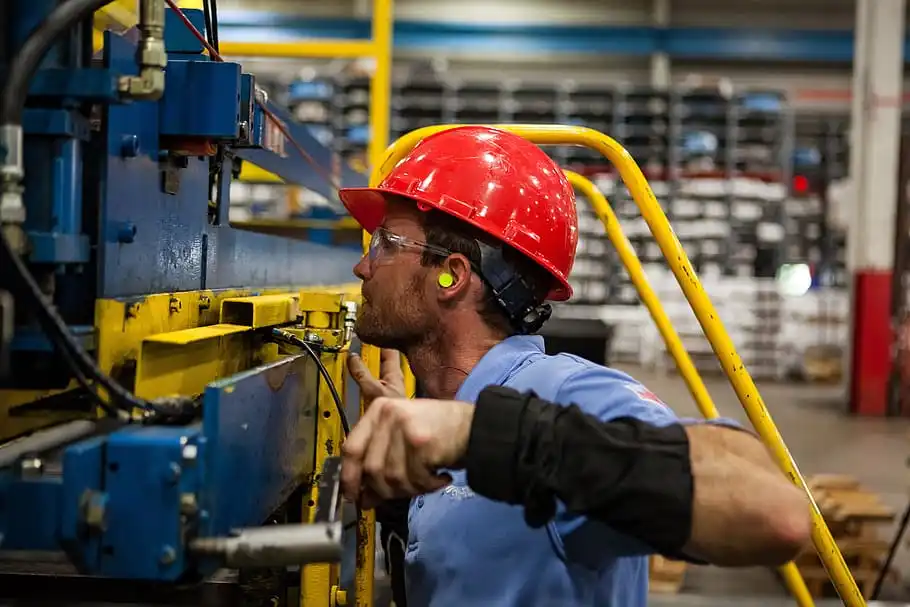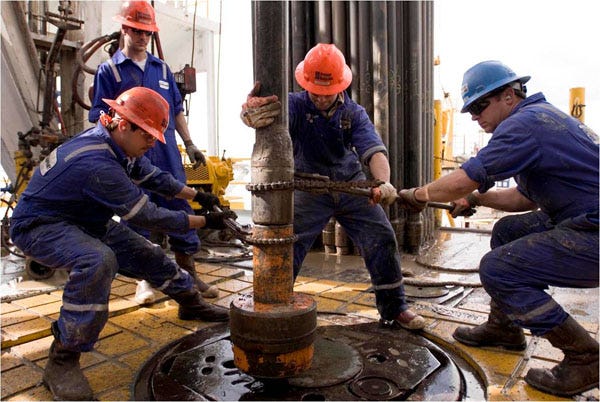
For years, they told an entire generation that the future belonged to people sitting behind computer screens, pushing paper around in climate-controlled offices, while anyone working with their hands was somehow a failure. Schools pushed college degrees endlessly while trade schools were neglected and industrial jobs were treated as relics of the past. Parents were convinced their kids needed massive student debt just to survive while corporations shipped factories overseas and politicians cheered the destruction of domestic industry as “progress.” Now reality is crashing directly into that fantasy.
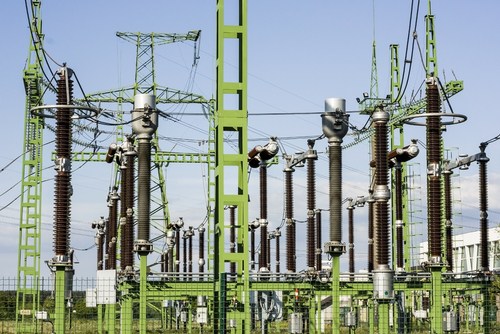
The irony is unbelievable. The very AI revolution that many thought would eliminate blue-collar labor is actually creating one of the biggest labor shortages in modern history. Artificial intelligence requires physical infrastructure everywhere. These systems do not magically float in the clouds. They need giant data centers, electrical grids, transformers, cooling systems, steel, copper, pipelines, construction crews, semiconductor plants, and endless maintenance. Somebody actually has to build all of it.
CNBC finally admitted this week what many people are beginning to see with their own eyes. White-collar hiring is slowing while skilled trade hiring is exploding. The office jobs everyone chased for decades are suddenly becoming unstable while electricians, welders, HVAC technicians, elevator mechanics, and industrial workers cannot be hired fast enough.
Utilities are expected to spend roughly $1.1 trillion modernizing America’s electrical grid over the next several years because AI systems are consuming extraordinary amounts of power. Reuters reported the United States may need more than half a million additional workers tied directly to energy infrastructure and transmission projects by 2030. At the same time, nearly half the current skilled labor force is approaching retirement age.

Blackstone President Jon Gray admitted recently that blue-collar workers may become some of the biggest winners of the AI boom because data centers alone are creating enormous construction demand. One Blackstone-backed company reportedly expects the number of workers on its job sites to explode from around 10,000 to roughly 40,000 within a single year.
Even NVIDIA CEO Jensen Huang came right out and said electricians, plumbers, technicians, and construction workers may dominate the next labor cycle because AI itself depends entirely on real-world infrastructure. He called this the beginning of a new industrial revolution. He is correct.
Meanwhile, the white-collar world is beginning to panic quietly. Major banks including JPMorgan, Citi, Goldman Sachs, and Bank of America are openly discussing AI replacing administrative and entry-level office roles. Young college graduates are already discovering the market for corporate office jobs is nowhere near as stable as they were promised.
But AI cannot climb utility poles in the middle of a storm. It cannot wire a semiconductor plant. It cannot repair industrial cooling systems. It cannot install transformers or build transmission lines. Civilization still runs on physical systems and somebody has to maintain them.
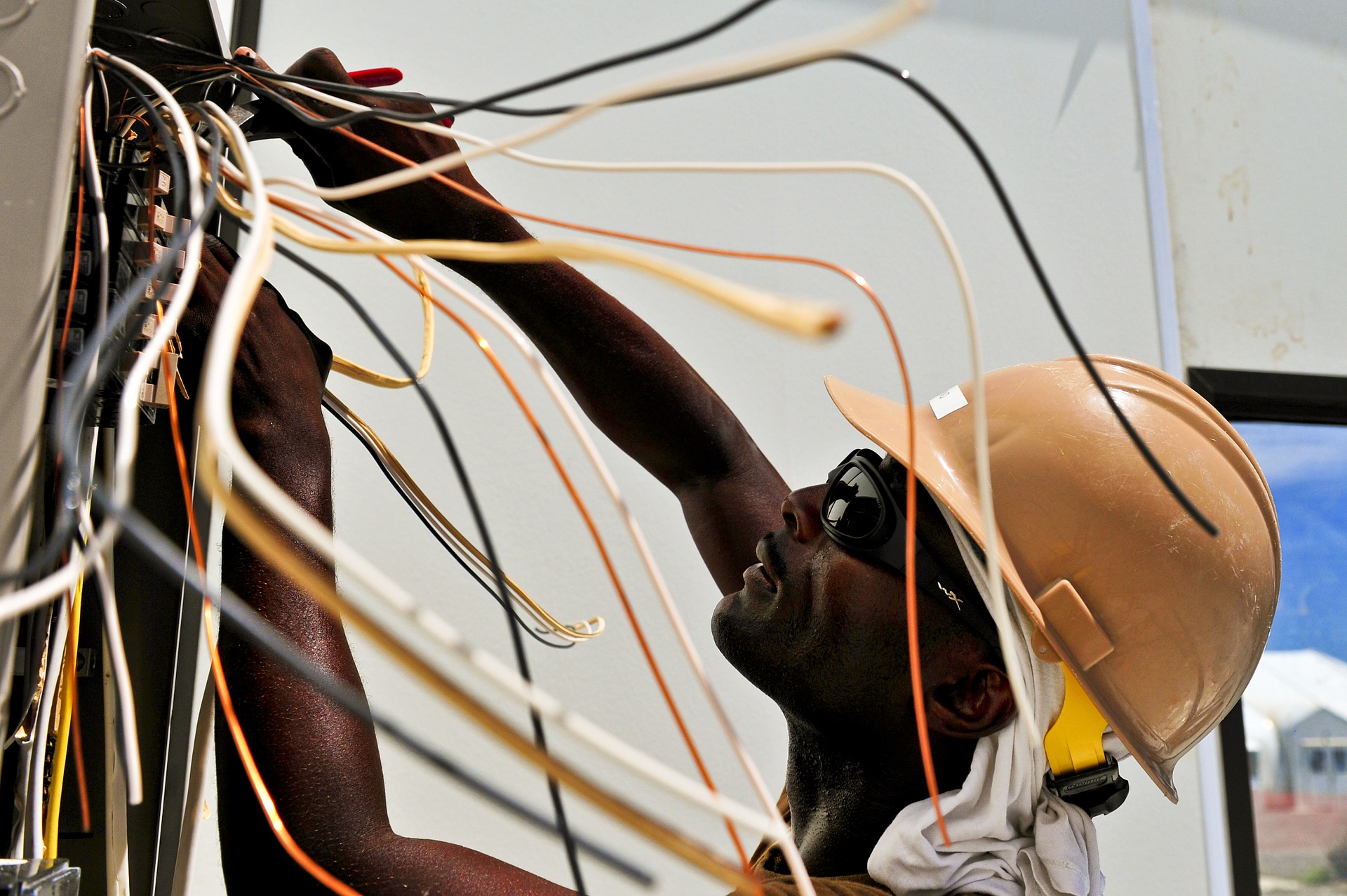
Elevator mechanics are now earning extraordinary salaries because companies cannot find enough qualified workers. Otis CEO Judy Marks openly admitted they “cannot hire them fast enough.” Electricians working on major AI infrastructure projects are increasingly earning six figures once overtime is included. Welders, linemen, industrial mechanics, and specialized construction crews are suddenly becoming some of the most valuable workers in the economy.
The semiconductor industry faces the same problem. The United States spent decades outsourcing industrial production and now companies are scrambling to rebuild domestic manufacturing capacity without enough skilled workers available to do the job. Taiwan Semiconductor Manufacturing Company reportedly struggled to find enough experienced labor even for projects in Arizona.
This activity always happens during major economic turning points. During periods of speculation and financial bubbles, productive labor loses prestige. But once societies are forced back toward rebuilding infrastructure, energy systems, and industrial capacity, the people who can physically build things suddenly become indispensable again.
Young people are beginning to realize that practical skills tied to energy, manufacturing, transportation, construction, and infrastructure may offer far greater security than unstable corporate office jobs increasingly threatened by automation. Many of the highest-paying opportunities no longer require sitting behind a desk pretending to answer emails all day.
The labor force built on debt, speculation, and endless financial manipulation has had enough.