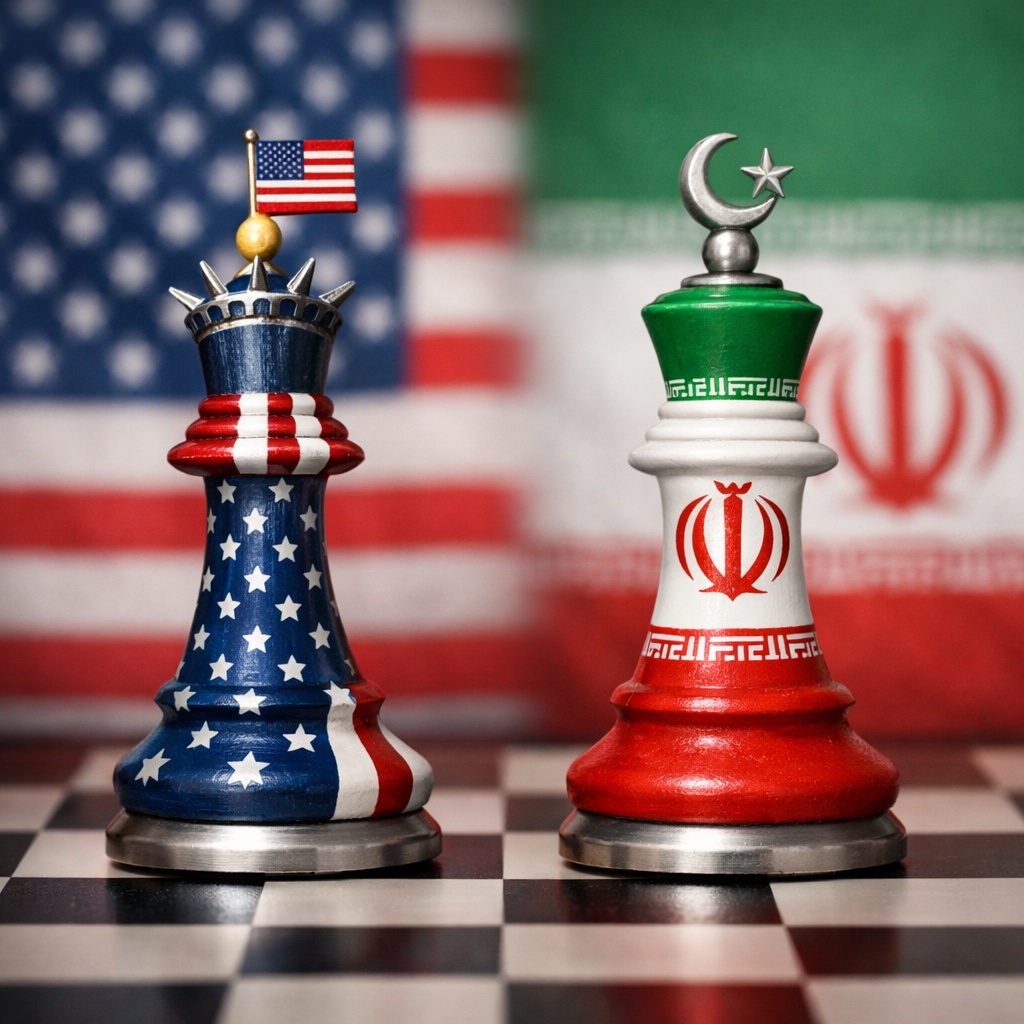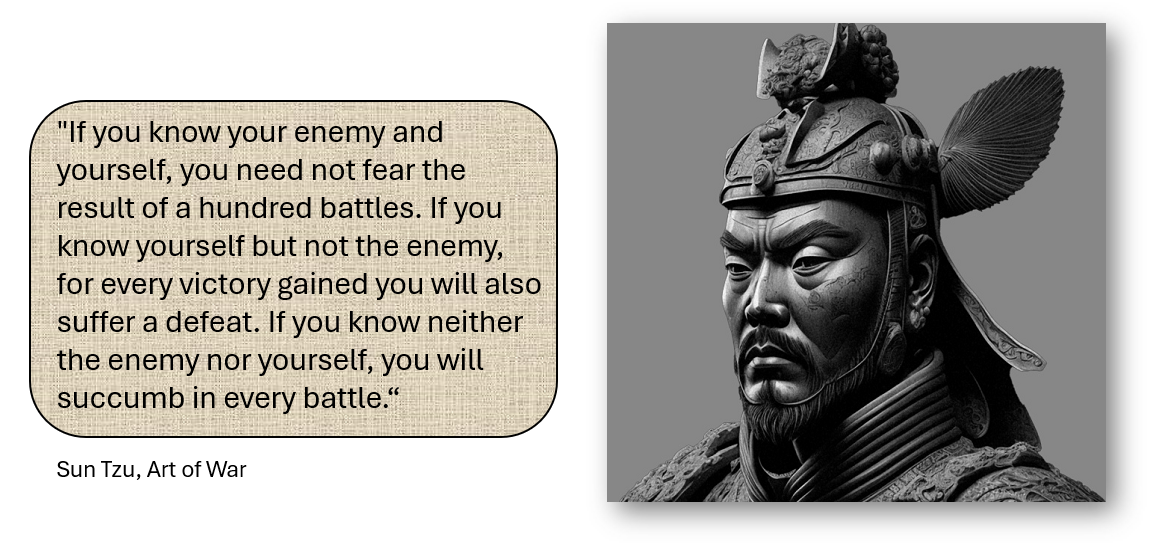
QUESTION: Mr. Armstrong, you said that Iran is the merger of Marxism and Islam. I believe you also said that the Shah did not realize that sending the youth to school in the UK and the US was a mistake, and that they returned to Iran, indoctrinated with Marxism. Was this the backdrop to Death to America?
Frank
REPLY: Absolutely. The Shah made the mistake of sending people to study in the West during the late ’70s when universities were taken over by the LEFT and indoctrinated students into this dangerous idea that has been behind the single most devastating upheaval in human history. No other theory has caused so much death as the LEFTISTS.
This merger of Marxism and Islam was unique to Iran. It involved revolutionary Shia clerics adopting Marxist language, leftist intellectuals reinterpreting Islam, and a tactical alliance against a common enemy. This collaboration was a key factor in the revolution’s success, though it proved to be short-lived. It has often been overlooked and just seen as an Islamic Revolution, which is NOT correct. This is part of the problem in negotiating with Iran currently. If we DO NOT understand that this is a merger of Islam reinterpreted by Marxists, good luck in trying to negotiate.
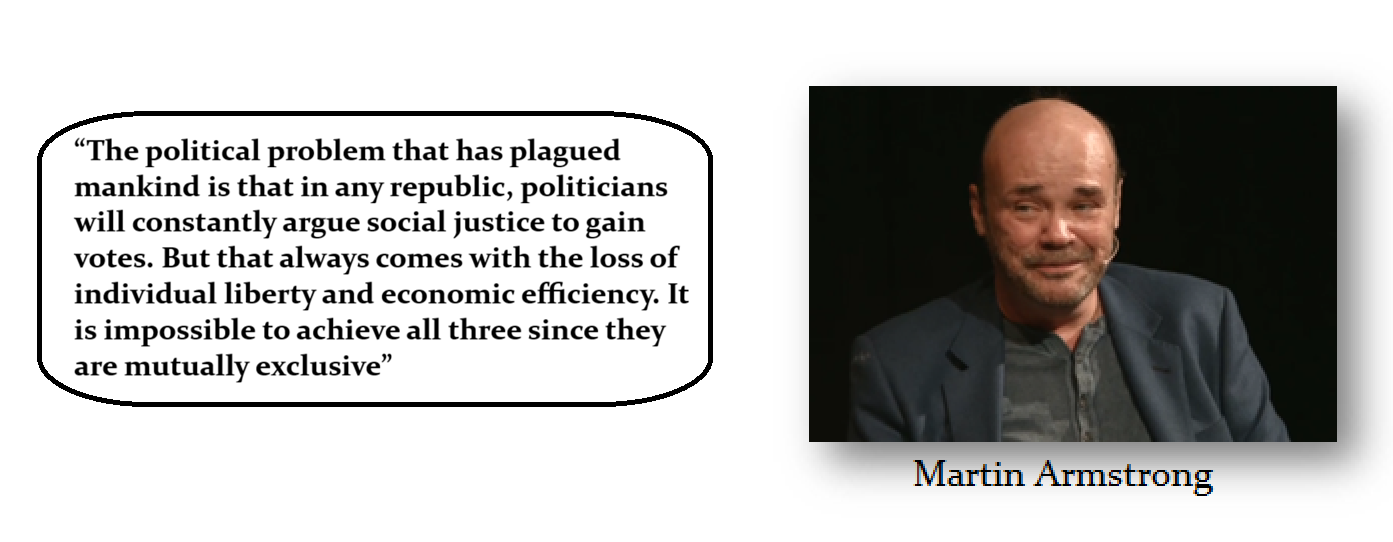
The common language of Anti-Imperialism and Social Justice was merged. The main bridge between these two seemingly opposed worldviews was their shared commitment to anti-imperialism and social justice. For many in Iran, the Shah’s regime was presented as a symbol of Western imperialism and gross economic inequality. That’s where Marxism came in, where everyone should have the same. Marxism provided a sharp critique of capitalism and imperialism, while a newly radicalized version of Shi’a Islam, often called “Liberation Theology,” framed the struggle against the Shah as a fight for the oppressed (mostaz’afin). This overlap in goals created the initial common ground for an alliance.
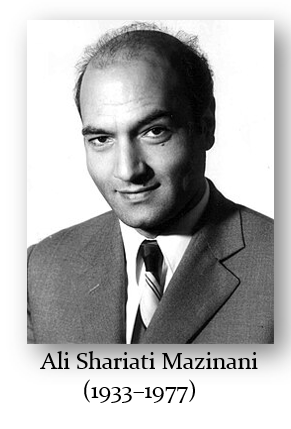
Ali Shariati was the Intellectual Architect. He is regarded as one of the most influential Iranian intellectuals of the 20th century. He has been referred to as the “ideologue of the Islamic Revolution,” and was the most important figure in forging this ideological blend of Marxism & Islam. Ali Shariati, of course, was a French-educated sociologist who was converted to Communism by Marx himself. Shariati was not a Marxist per se, but he was deeply influenced by Marxist concepts of class struggle, which he artfully integrated into his reinterpretation of Shi’ism. He argued that the original, revolutionary Shi’ism was a religion of the oppressed, which he called “Red Shi’ism,” in contrast to the passive, established “Safavid Shi’ism” of the religious establishment. By presenting Islam as a modern, revolutionary ideology, he offered a powerful native alternative to Marxism, making the anti-Shah movement both religiously authentic and socially radical.
Beyond Shariati’s intellectual synthesis, the revolution against the Shah was driven by a loose but effective alliance of convenience between various political groups. The Clergy & Khomeini: Although Ayatollah Khomeini was deeply anti-communist, he and his clerical followers were skilled politicians. They adopted popular Marxist slogans like “economic equality” and “struggle against imperialism” to tap into widespread anti-Shah sentiment, successfully channeling this energy into their own vision of an Islamic state.
Islamic-Marxist Guerrillas (MEK) became the most literal fusion of the two ideologies that occurred within the Mojahedin-e-Khalq (MEK). Founded in 1965, the MEK explicitly described its ideology as a “combination of Islam and Marxism.” The group argued that a “true Muslim” was naturally aligned with socialist and anti-imperialist goals. They fought alongside Khomeini’s forces during the revolution but were purged soon after.
Secular Marxists (Tudeh Party), was Iran’s largest communist party, and was originally wary of Khomeini’s religious movement. However, their fervent anti-Shah position eventually led them to support the revolutionary coalition, hoping to influence its outcome from within.
The alliance was purely pragmatic. Once the Shah was overthrown in 1979, the fundamental incompatibility between Marxism (which is atheist) and an Islamic state (which is theocratic) became immediately clear. Khomeini’s regime quickly moved to eliminate its leftist allies in what has been called a “counter-revolutionary” purge. Marxist and Islamic-Marxist groups, including the Tudeh party and the MEK, were ruthlessly suppressed, with thousands of members executed or forced into exile.
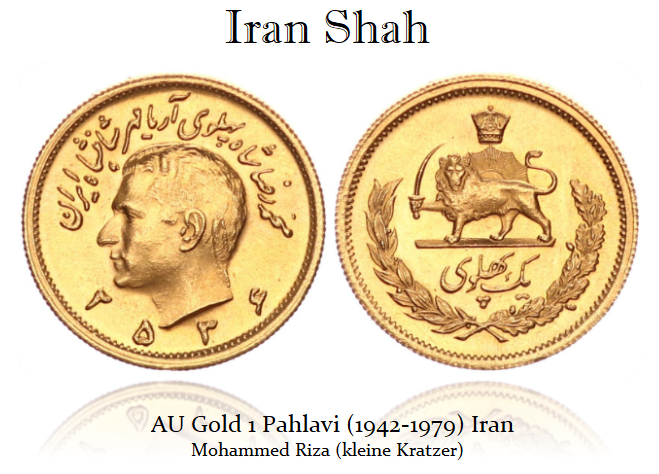
It became a Revolutionary Synthesis, rather than a merger of Marxism and Islamic fundamentalism, which was a revolutionary synthesis, not a permanent fusion. For a brief period, their shared opposition to the Shah united them in a powerful coalition to achieve the revolution. However, their fundamental differences proved irreconcilable, leading to a violent and decisive break in the revolution’s aftermath.
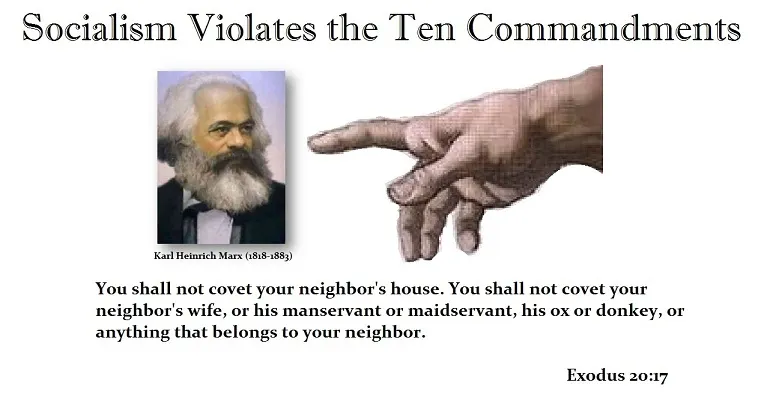
Religion aside, what I find curious is that Marxism is expressly forbidden in the Ten Commandments, confirming that this has been an inherent problem within human civilization for thousands of years. Just counting Russia and China, the death toll thanks to Marxism and the LEFT is estimated at Deaths under regimes that identified with Marxism–Leninism (e.g., the Soviet Union under Joseph Stalin, China under Mao Zedong, Cambodia under Pol Pot, etc.) is estimated between 50 and 90 million deaths, and that is just China and Russia. It has been the deadliest theory ever promoted by formal education.
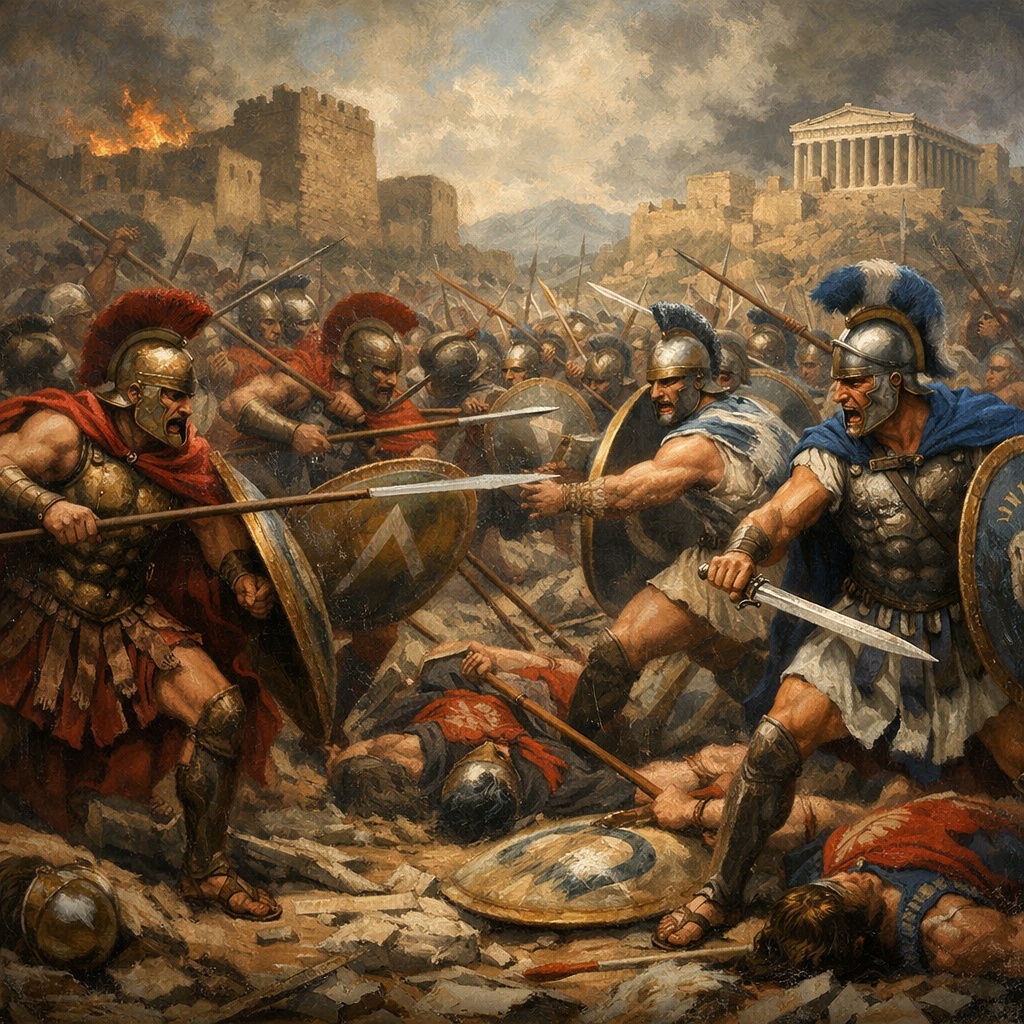
Some argue that Sparta did not wage war against Athens because of communism vs. capitalism. They fought for power, fear, and security—as Thucydides documented—within the very different political and economic realities of the 5th century BC. However, the economics tells a different story. Sparta was a communist state. It never issued coins to discourage individual wealth.
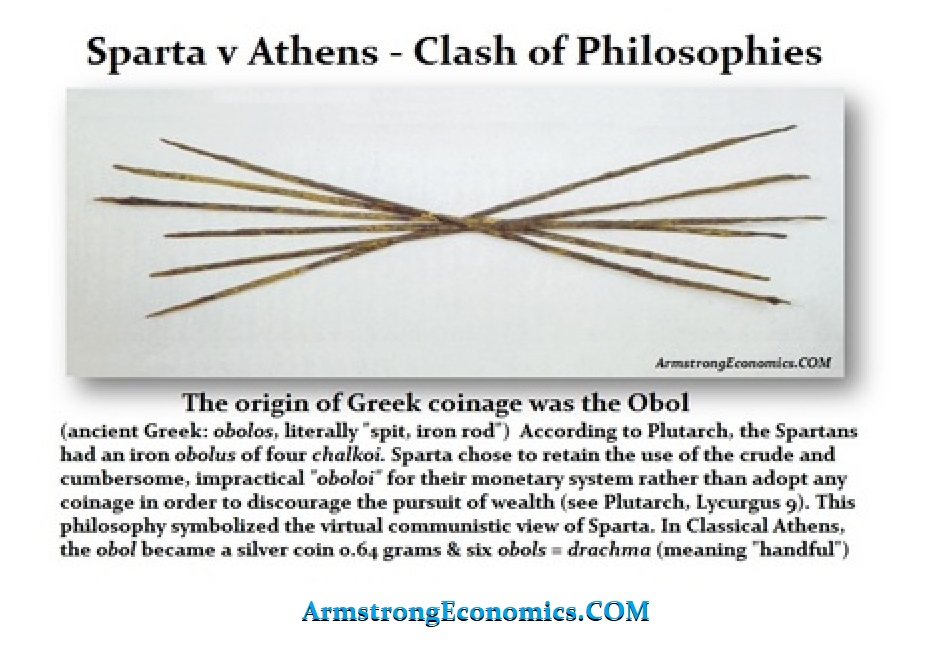
Sparta never issued coins. All they had were iron “oboloi”, which were intended to be impractical to prevent the accumulation of wealth. Sparta did not issue coinage for centuries due to a deliberate set of ideological laws, known as the Lycurgan Reforms, designed to create a perfectly disciplined, militaristic, and egalitarian society. The state actively used its monetary system to enforce these values.
According to ancient historians like Plutarch, the legendary lawgiver Lycurgus banned the use of gold and silver coins, replacing them with heavy, cumbersome iron bars to stifle corruption, greed, and the pursuit of luxury.
The Spartan currency, called Pelanor (also referred to as ‘obeloi’ or spits), was deliberately made impractical. A single piece weighed around 1.5 pounds (0.68 kg) but had very little value, so even a small sum would require a cart to move.
The iron was deliberately made brittle by quenching it in vinegar while red-hot, rendering it useless for making tools or weapons. This ensured the currency had no purpose other than trade. This was an early communist state with “Anti-Money” by design.
This cumbersome system suppressed foreign influence, reduced theft (because of the difficulty of concealing the large bars), and curbed corruption by making bribery nearly impossible. More importantly, it discouraged the accumulation of private wealth and helped enforce the “equal” lifestyle of the Spartiate citizen class, which was essential for military discipline.
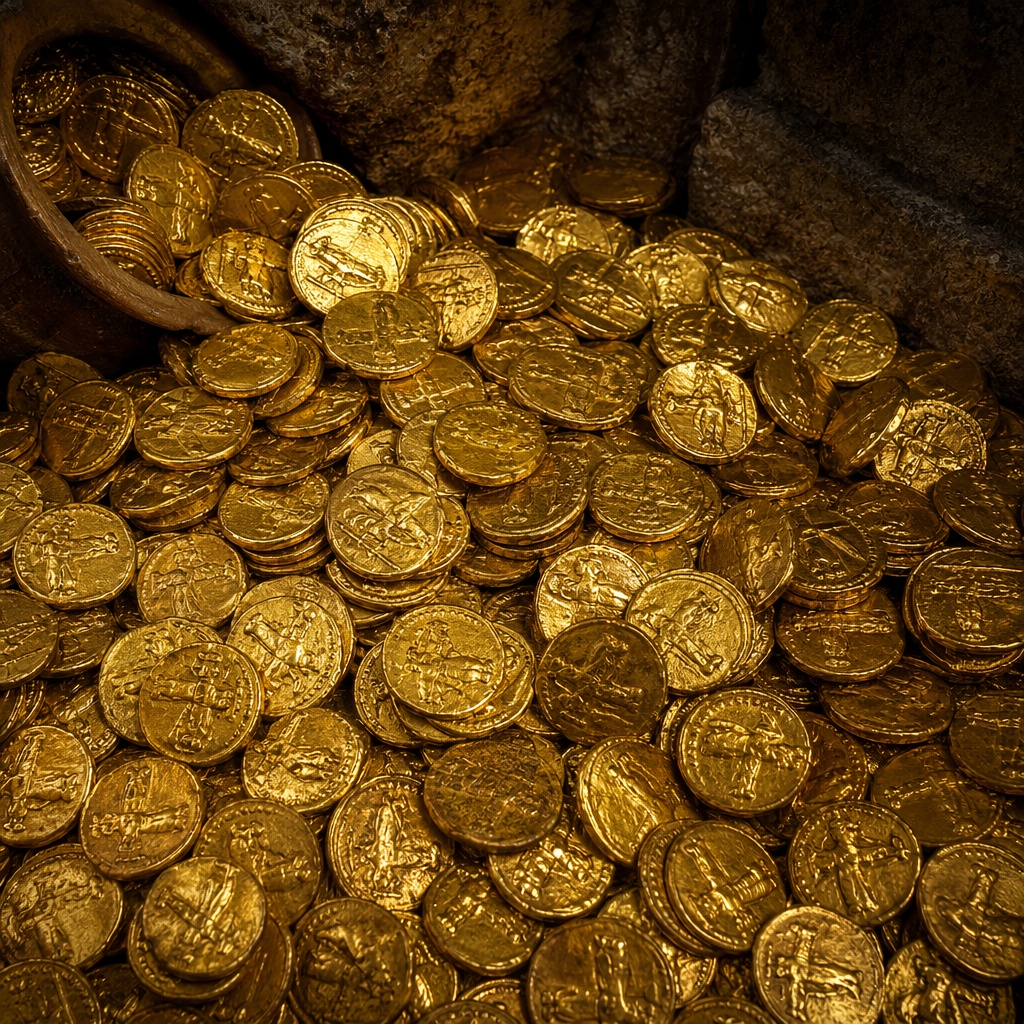
While the iron currency worked for internal trade among citizens, Sparta was not a closed economy. The Perioikoi (a subordinate class of free inhabitants) managed trade and used foreign currency, and the Spartan state itself famously used Persian gold coins to build its navy and ultimately defeat Athens in the Peloponnesian War.
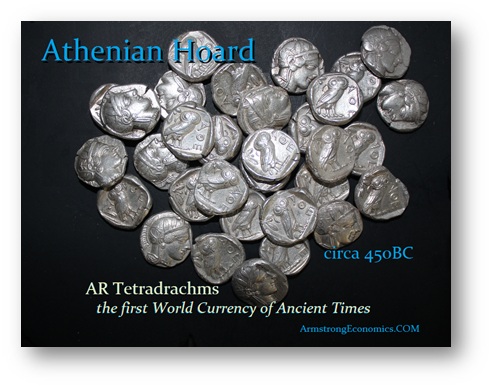
While Athens was the power that defeated the Persians and rose to form its own empire, indeed, Sparta was jealous of that power. But at the root was also this difference in social theory. Athens was capitalist and free, with art, expression, and philosophy. These were characteristics that were at odds with the philosophy of Sparta.
The lesson here is that when dealing with Iran, we must understand that at the very basic core, they remain anti-capitalist/imperialist. This is how they see the USA and Israel. There is a basic fundamental difference in philosophy, and until we stop judging Iran by what we would do, we will never understand the adversary.
You can never achieve social justice where everyone earns the same, still have personal liberty and freedom even to speak, and economic efficiency all simultaneously. It has NEVER worked from ancient times to China and Russia, and it is suppressing Europe into an economic depression. It tore Iran apart at the seams. This Marxist interpretation of Islam destroyed Iran, which ranks in the top three energy reserves in the world for oil and gas, though it is undeniably a global energy superpower.
The Islamic Revolution was responsible for completing and solidifying the nationalization of Iran’s energy sector. The key to understanding this lies in the early 1950s. In 1951, the democratically elected Prime Minister, Mohammad Mossadegh, nationalized Iran’s British-controlled oil industry. However, this bold move led to a CIA and MI6-backed coup in 1953, which ousted Mossadegh and reinstated the Shah. After the coup, control of Iran’s oil industry effectively returned to Western companies