US consumer confidence has plunged to its lowest level since 2014. The Conference Board’s index fell sharply in January to 84.5 — well below expectations and even below the depths reached during the pandemic panic.
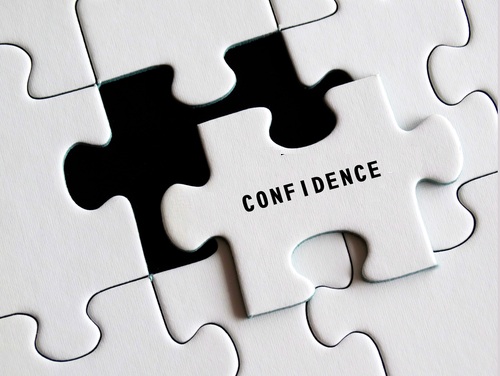
Consumer confidence is a quantifiable measure of the public’s willingness to engage in economic activity. When confidence drops, consumers tighten their spending, postpone big purchases, and shift from growth-oriented to survival-oriented behavior. And where consumers go, capital inevitably follows.
“All five components of the Index deteriorated, driving the overall Index to its lowest level since May 2014 (82.2) — surpassing its Covid-19 pandemic depths,” Dana Peterson, chief economist at The Conference Board, said in a release. “References to prices and inflation, oil and gas prices, and food and grocery prices remained elevated.”
Grocery aisles, energy costs, health insurance premiums, and rent have not retreated to historic norms. Consumers are not just fearful of future inflation; rather, they are learning to manage the ever-increasing cost of living. This is a sign that real wages and purchasing power are under stress. The price of essentials never meaningfully waned from the worldwide lockdown, and the world is beginning to accept that high prices are the new norm.
Hiring has slowed, and households don’t feel secure. Corporations began mass layoffs last year and the trend is continuing. Right now, the cost of living is through the roof, jobs are scarce, and geopolitical tensions are high. Confidence has evaporated and will only improve when people see consistent improvement in their own finances.