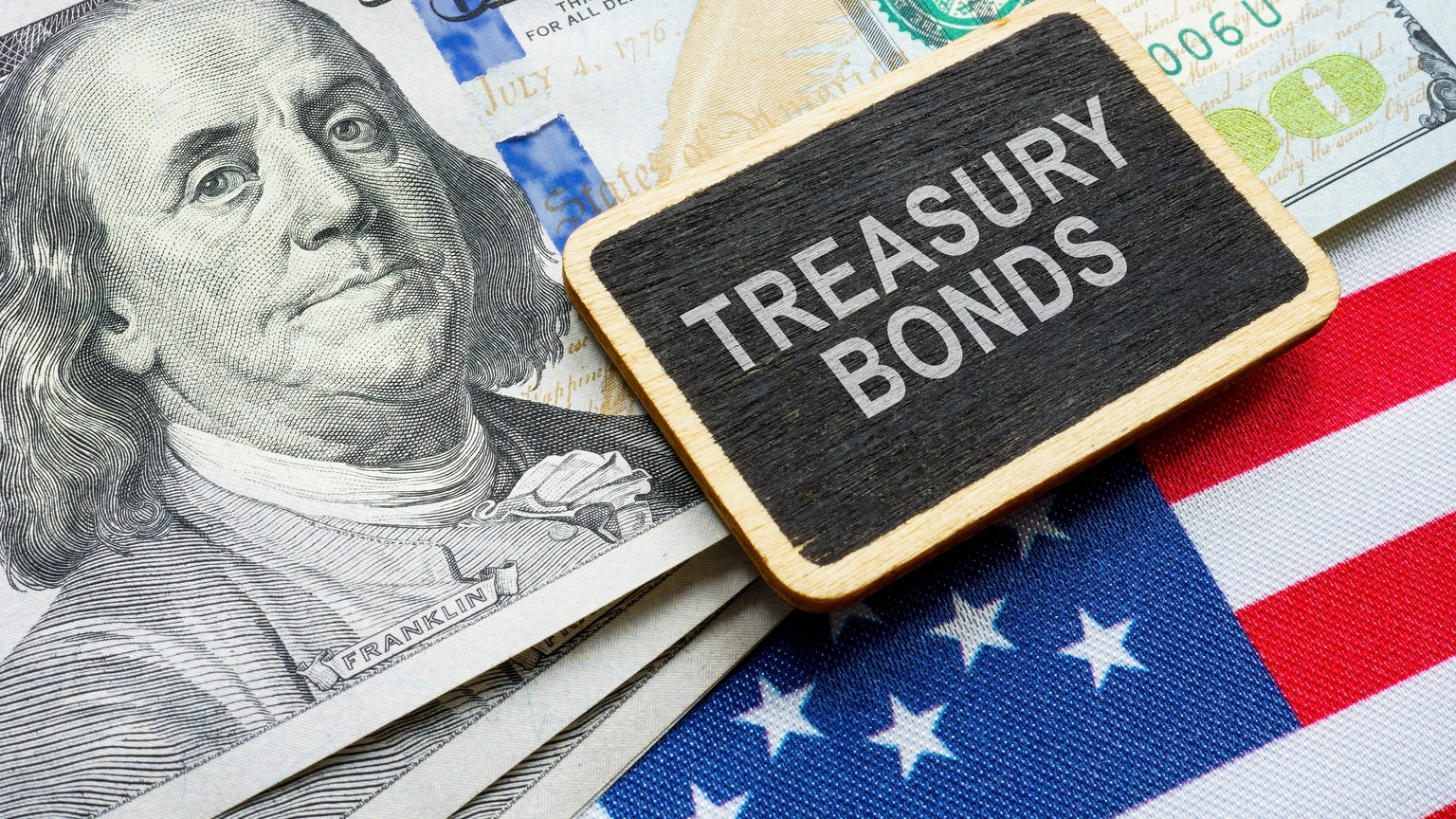
A Danish pension fund, AkademikerPension, is reportedly divesting its US Treasury holdings to the tune of $100 million. Anders Schelde, AkademikerPension’s investing chief, claims they are concerned about the condition of US government finances and rising credit risk. They even admitted the Greenland political tensions simply made the decision easier, but the core point remains financial.
“It is not directly related to the ongoing rift between the [U.S.] and Europe, but of course that didn’t make it more difficult to take the decision,” Schelde said in a statement to CNBC. The figure may be small, but this is how sovereign debt crises begin. One institution quietly reduces exposure. Then another. Then the press tries to dismiss it as meaningless. Then the trend becomes undeniable, and once confidence turns, it does not reverse on command.
Schelde claims America’s “poor government finances” are to blame for the pullout. For decades, everyone has been brainwashed to believe that US Treasuries are risk-free. Sovereign debt is only “risk-free” until the market begins to question whether the government can maintain its obligations. Default is not always formal. More often, it is monetary, meaning they pay you back in depreciated purchasing power.
Now add the geopolitical layer. There is now a fear that economic warfare may begin between the US and Europe. When governments start threatening tariffs, economic retaliation, and territorial disputes, capital flees. Europe is sitting on a mountain of US debt. If just a tiny fraction of that begins to flee, the impact could become a contagion. That’s when yields rise, liquidity becomes strained, and the government has to roll debt at higher rates.
Foreign investors hold roughly 20–25% of all outstanding US Treasury debt, which translates into about $8–$9 trillion. European investors are the largest regional block of foreign holders of U.S. long-term Treasuries. Eurozone investors alone account for roughly one-fifth of total foreign long-term Treasury holdings. So when tensions rise through NATO disputes, capital begins to reassess what “risk-free” means.
If you look at Europe’s NATO countries collectively, we’re talking about several trillion dollars in US Treasuries and other dollar assets. Estimates in the financial press place European NATO holdings around $2.8 trillion in Treasuries alone.
The United Kingdom alone has been sitting on roughly $700–$900 billion in Treasuries, depending on the date. Then you have Luxembourg around $370 billion, Ireland in the low hundreds of billions, and other major holders spread across Europe. Much of Europe’s exposure is routed through financial centers like Luxembourg and Ireland rather than sitting neatly on a central bank balance sheet, which is why people underestimate the scale.
This is why I have repeatedly warned that governments are driving the world toward capital controls. When confidence breaks, they will not reform. They will not cut spending. They will not accept responsibility. They will blame “speculators,” “foreigners,” “hoarders,” and “disinformation.” Then they will try to trap capital inside their borders.