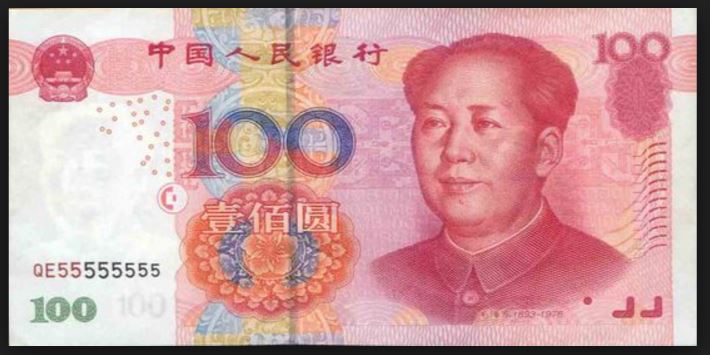
The Bank of Korea (BOK) has renewed its bilateral swap agreement with the People’s Bank of China (PBOC) amid strengthened ties between Seoul and Beijing. Chinese President Xi Jinping met South Korean President Lee Jae-myung, marking the state visit to China in over a decade.
The swap line will remain at 400 billion yuan, providing direct yuan-won liquidity. The arrangement was made years ago and this was simply a renewal of faith. The agreement will last for five years until October 21, 2030, with the option to extend. Interestingly, this times out with the Sovereign Debt Crisis peak in 2028-2032. Seoul needs a non-dollar liquidity backstop if the West fractures. It also provides a hedge against the risk of US sanctions, or, far worse, a removal from SWIFT.
Years of tension between the two nations did not suddenly vanish, but trade is the great peacemaker. Both countries need this option because the global monetary system is beginning to fail. The yuan-won swap is an alternative buffer for South Korea if dollar dominance weakens, but this is not de-dollarization at hand.
The US still has the strongest market for public and private debt. Nations are seeking parallel channels to the US system, but are not turning their backs on the dollar. Governments, central banks, and private institutions remain confident in the dollar; it’s the government they’re worried about. This is the exact reason why there are whispers that the BOK will increase gold purchases, as it is necessary to hedge against governments. Again, the BOK has always maintained gold reserves but has not increased its purchases since 2013. None of this is a sign of de-dollarization.